


















Qingmei Future Insights
Cultural Guardianship: Preserving Heritage Through Responsible Brand Strategy
Cultural Guardianship: Preserving Heritage Through Responsible Brand Strategy
As globalization sweeps the world, precious cultural heritage faces unprecedented challenges and threats. Ancient craft skills are on the verge of being lost to industrial mass production. Traditional forms of cultural expression are being pushed to the margins by digital media. Distinctive local cultures are losing their character as standardized business models expand. Yet more and more forward-looking brands recognize that cultural heritage is not only humanity's shared spiritual wealth, but also a vital resource for differentiation and sustainable growth. By building a responsible brand strategy, companies can meet their social responsibility to protect culture while innovating through tradition and growing through preservation, creating both commercial and cultural value.
Recognizing the Contemporary Value of Cultural Heritage

The value of cultural heritage extends far beyond history, offering multiple strategic benefits in today's business landscape. For differentiation, deep cultural roots give a brand a distinctive spirit and emotional value, helping it stand out amid uniform competition. Consumers increasingly seek products with individuality and a story, and cultural heritage provides exactly that depth of emotional connection and identity.
As a source of innovation, traditional culture holds a wealth of design inspiration, craft wisdom, and solutions. Many seemingly ancient techniques and ideas can find new life through modern technology, opening distinctive paths for product innovation. Examples include the modernization of Traditional Chinese Medicine, the application of classical architectural wisdom to green building, and the fusion of traditional textile techniques with modern materials science. Each shows cultural heritage becoming a resource for innovation.
From a market-opportunity perspective, cultural consumption, including cultural tourism, cultural and creative products, and intangible heritage experiences, is growing fast. Especially in the post-pandemic era, people place ever greater value on cultural and spiritual fulfillment, opening wide room for the commercial development of cultural heritage. A new generation of consumers wants cultural identity and a way to express their values, which makes this an unprecedented moment to build brands from heritage.
From a sustainability perspective, cultural heritage often embodies the wisdom of living in harmony with nature. Its ecological ideas and sustainable practices offer important lessons for modern sustainable development. Ecological cycles in traditional agriculture, natural ventilation and daylighting in historic architecture, and eco-friendly materials in traditional crafts all provide valuable experience for sustainability today.
Building the Cultural Mission of a Responsible Brand
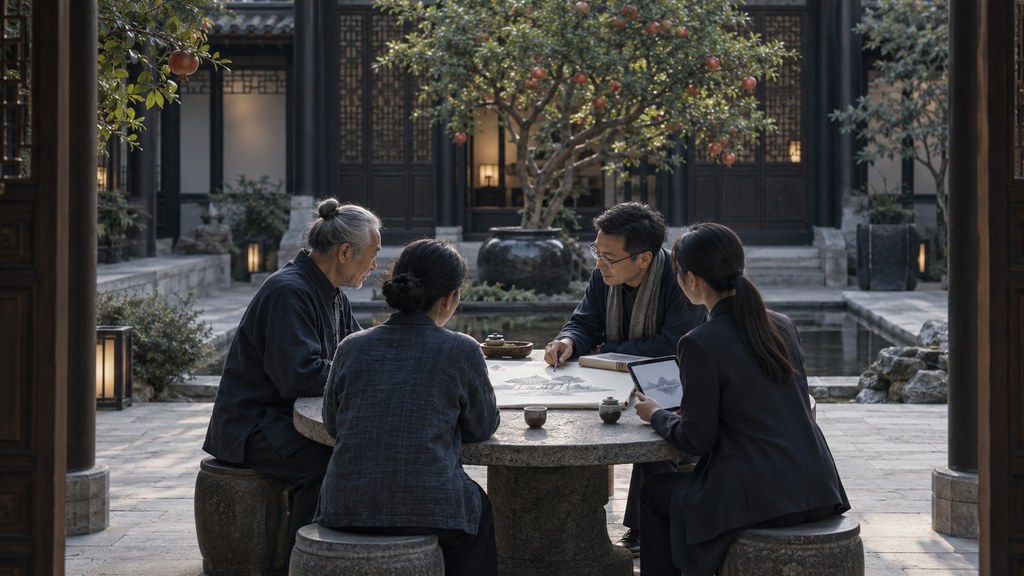
Building a responsible brand centered on cultural preservation requires a clear mission, vision, and value system. A mission of cultural stewardship should not be an empty slogan. It should be a core belief woven into the brand’s DNA, reflected in every action and decision, and serving as the internal force behind the brand’s growth.
Redefining brand values means placing cultural heritage at the core. This goes beyond mentioning cultural roots in the brand story. Preserving and passing on culture should become part of why the brand exists. The brand must answer clearly: Why do we protect this culture? How can our business sustain it? What contribution do we want to make to its preservation?
Redefining stakeholders means looking beyond the traditional commercial sphere to include cultural heritage bearers, local residents, cultural researchers, and government bodies. Their needs and expectations should be fully considered in brand strategy, creating partnerships where every party gains.
Long-term commitment is a defining feature of brand strategies for cultural preservation. Cultural heritage is passed on over time; it cannot rest on short-term campaigns or one-off charity projects. Brands need a long-term preservation plan, sustained investment of resources and effort, and mechanisms built to last.
Transparency and verifiability open a brand's cultural preservation commitments to public scrutiny. Brands should regularly publish progress on cultural preservation projects and invite third-party evaluation to ensure the results are real and effective.
Modern inheritance strategy of traditional skills
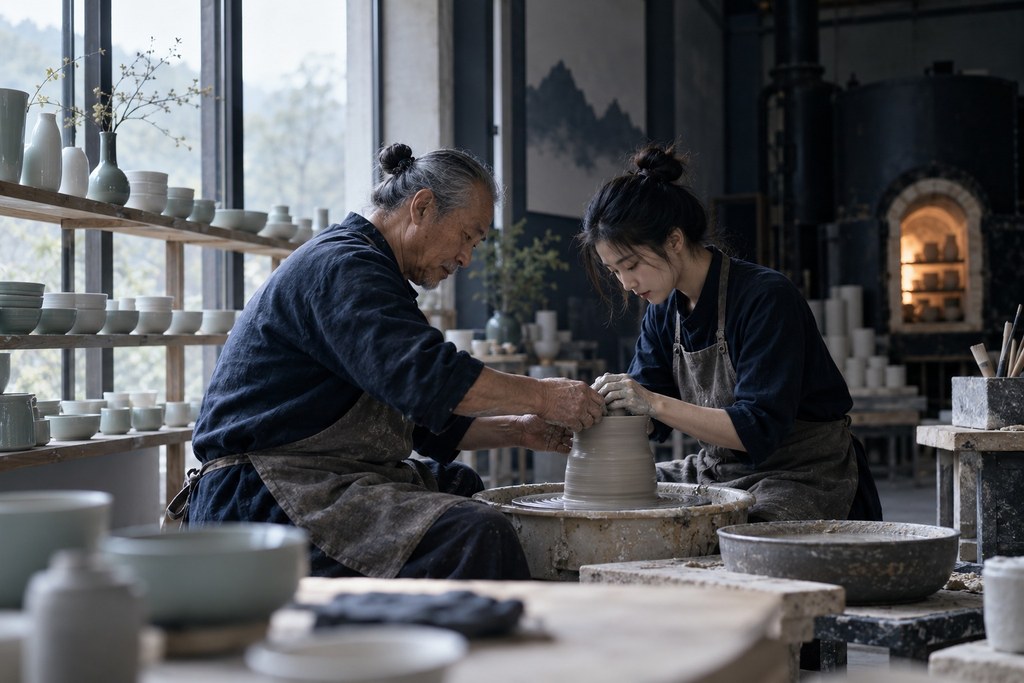
Traditional craft skills are a vital part of cultural heritage, and among the forms most easily lost. Brands can help protect and pass on these crafts in many ways, preserving their authenticity while helping them evolve for the present.
Building a support system for master artisans is fundamental to preserving traditional crafts. Brands can set up artisan studios, provide stable income, and create platforms for showcasing their work, allowing artisans to focus on passing down their craft. At the same time, a master–apprentice system ensures these skills are carried forward from generation to generation.
The fusion of modern technology and traditional craftsmanship brings new vitality to traditional crafts. 3D scanning precisely records the details of handcrafted objects, virtual reality lets more people experience the making process, and AI analyzes craft parameters to optimize production. These technologies preserve the essential character of traditional crafts while improving production efficiency and product quality.
Product innovation adapts traditional craft to modern life. By rethinking function, improving materials, and refining dimensions, traditional crafts fit naturally into contemporary settings. Traditional ceramics, for example, can inform modern tableware, and traditional weaving can shape fashion.
Balancing standardization and individuality is a key consideration in modernizing traditional craft. Moderate standardization improves efficiency and quality, but too much can erode what makes the craft distinctive. Brands need sound quality standards and production guidelines that preserve the character of the craft.
Market education and audience development help more people understand and value traditional craftsmanship. Exhibitions, hands-on workshops, and documentaries raise public awareness and interest, building a consumer market for traditional crafts.
Brand Expression Through Cultural Stories

Every cultural heritage carries rich history and meaning. Turning these stories into compelling brand narratives is central to a heritage-preservation brand strategy.
Deep storytelling goes beyond surface-level historical events to explore the human spirit, values, and everyday wisdom behind cultural heritage. This requires in-depth conversations with cultural researchers, local residents, and heritage practitioners to gather and document authentic cultural stories.
Modern storytelling lets ancient cultural stories resonate with today's audiences. Through contemporary narrative techniques, multimedia expression, and interactive experience design, cultural stories become vivid, engaging, and easy to understand and share.
Emotional connection is the core goal of turning cultural stories into brands. Brands must find where cultural stories meet modern life, so audiences can find emotional meaning and comfort in them.
A multi-platform strategy ensures cultural stories reach a wider audience. From traditional media to social networks, from offline events to digital experiences, brands need a diverse mix of channels to tell their cultural stories.
Preserving authenticity is a core principle of turning cultural stories into brands. When a brand adapts a cultural story artistically, it must not distort historical facts or cultural meaning. It needs to find the right balance between artistry and authenticity.
Building a Community-Led Preservation Ecosystem
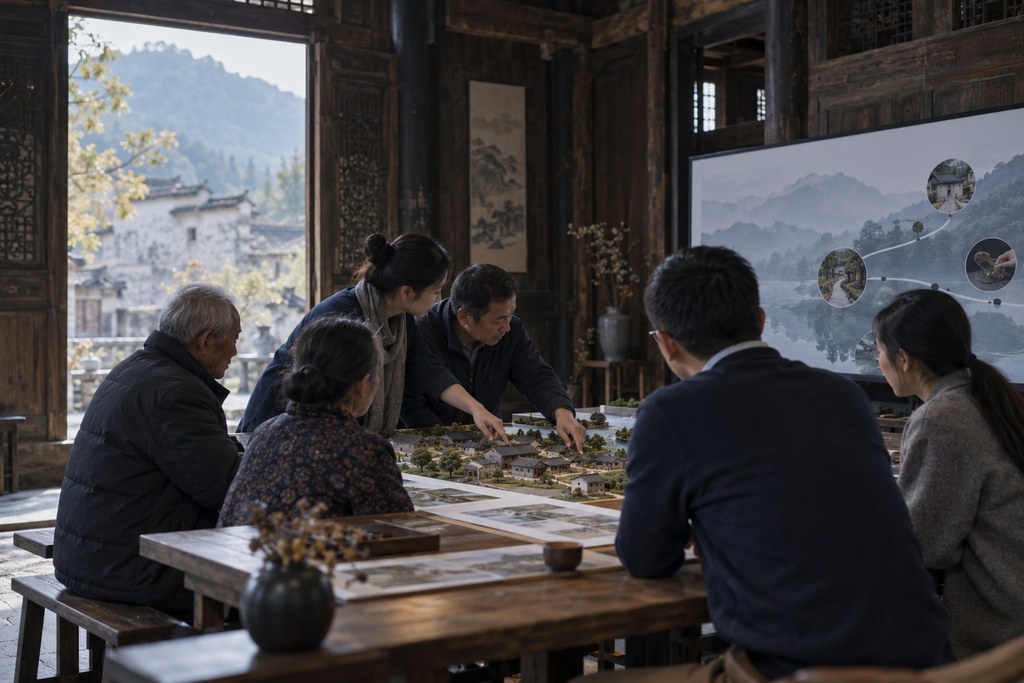
Cultural heritage is often rooted in specific communities, and residents are its most important guardians and bearers. A brand's preservation strategy must ensure communities participate and benefit, building a sustainable ecosystem for protection.
Mechanisms for community agency let local residents take an active role in cultural preservation decisions. Brands should establish governance structures that include community representatives, consult communities fully when drafting preservation plans, and ensure measures serve community interests and cultural traditions.
Benefit-sharing mechanisms ensure cultural preservation projects deliver real economic value to communities. By developing cultural tourism, training local artisans, and prioritizing local products, residents can benefit economically from preservation, which increases their motivation to take part.
A support system for capability building helps community members strengthen their ability to protect and pass on their culture. Brands can provide training, technical support and equipment, helping communities build their own capacity for cultural preservation.
Building cultural confidence helps communities rediscover and value their own traditions. Education, exchange programs and media outreach strengthen residents' cultural pride and their commitment to preservation.
Passing culture across generations keeps preservation going. Brands should focus on cultural education for young people—through youth culture programs, cultural scholarships, and similar initiatives—to invite the next generation into the work of heritage.
Digital protection and communication innovation

Digital technology opens new possibilities for preserving, documenting, and sharing cultural heritage. Brands can use a range of digital tools to build a multidimensional system for protecting and communicating culture.
Digital archives provide lasting protection for cultural heritage. High-precision scanning, 3D modeling, and audio and video recording capture every dimension of heritage in a complete digital archive. These records serve as research material and as a reference for future conservation and restoration.
Virtual reality lets more people experience the richness of cultural heritage firsthand. VR recreates historical scenes, traditional rituals, and craft processes, giving users immersive cultural experiences. This approach is especially suited to heritage that is hard to access directly due to distance, time, or preservation needs.
Augmented reality adds a digital layer of information to on-site heritage experiences. With AR devices, visitors can see historic buildings as they originally stood, explore detailed information about artifacts, and watch traditional crafts being made. The technology greatly enriches how cultural heritage is experienced.
Online education platforms let cultural heritage transcend the limits of place and time. Through online courses, live teaching, and interactive Q&A, traditional crafts and cultural knowledge can reach people around the world, cultivating more enthusiasts and new generations of practitioners.
Fresh approaches on social media bring cultural heritage to younger audiences in more vivid, engaging ways. Short videos, livestreams, and social games help heritage gain more attention and reach on social platforms. Real-time optimization makes campaigns more agile and efficient, letting brands respond quickly to market shifts and user feedback and steadily improve return on marketing spend.
Sustainable design of business models
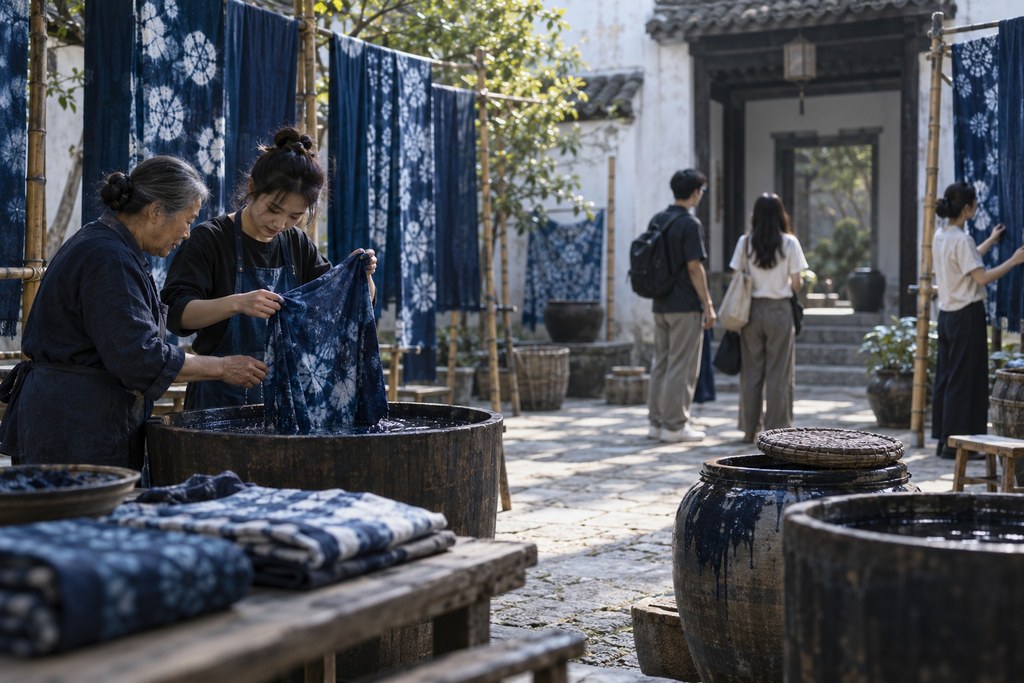
A responsible brand strategy for cultural preservation requires a sustainable business model, so that preservation work has ongoing funding and momentum.
Developing cultural IP gives brands a distinctive commercial resource. By creatively adapting and commercializing cultural elements, brands can create products and services with cultural character, turning cultural value into commercial value.
Building an experience economy turns cultural heritage into distinctive experiences. By developing culture-themed travel routes, craft workshops, and cultural festivals, brands can offer consumers meaningful cultural experiences while generating economic returns.
A membership program provides a stable source of funding for cultural preservation. Brands can create a preservation membership in which members pay an annual fee for distinctive cultural experiences and product benefits, with the proceeds supporting preservation projects.
New crowdfunding models let more people help fund cultural preservation. By launching crowdfunding campaigns for cultural preservation, brands can rally public support and raise funds for specific preservation goals.
Government partnerships provide policy and funding support for cultural preservation. Brands can partner with government agencies, apply for dedicated preservation funds, and join government-led preservation projects.
International Collaboration and Exchange Network
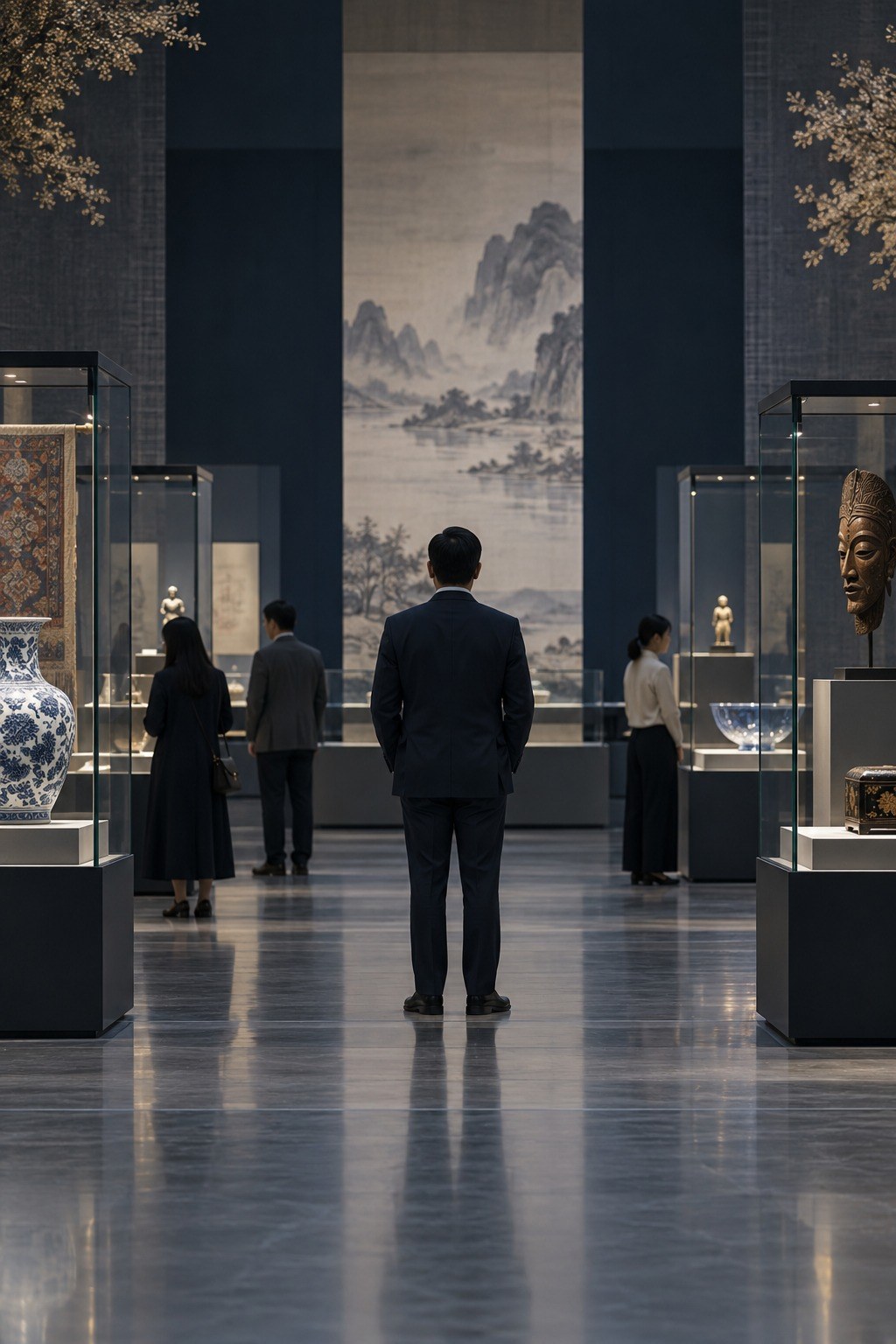
Protecting cultural heritage requires global cooperation. Brands can build international partnership networks to advance cultural preservation worldwide.
Multinational business alliances bring greater resources to cultural preservation. Companies from different countries can form partnerships around shared preservation goals, pooling resources, technology, and experience to advance preservation projects together.
Cultural exchange programs foster mutual understanding and learning between cultures. Brands can organize exchange events that bring together cultural practitioners and enthusiasts from different countries, encouraging the spread and blending of cultures.
International standards bring consistency and professionalism to cultural preservation. Brands can take part in developing international standards for cultural preservation and help establish shared guidelines and evaluation frameworks.
Shared technology platforms allow cultural preservation technology to reach wider use. Brands can work with international organizations to build such platforms and promote advanced preservation technologies and methods.
Launching global initiatives raises international awareness of cultural preservation. Brands can launch global initiatives that invite more companies and individuals to take part in protecting culture.
Impact assessment and continuous improvement

A responsible brand strategy for cultural preservation requires a rigorous evaluation framework to ensure the work is effective and sustainable.
A multidimensional set of indicators covers every aspect of cultural preservation. These include changes in the number of cultural inheritors, improved mastery of traditional crafts, better cultural product quality, growth in community income, and greater public awareness.
Regular assessment ensures cultural preservation work is monitored and adjusted in time. Brands should establish annual and quarterly reviews to systematically analyze the progress of each preservation project.
Third-party assessment provides an objective, impartial perspective. Brands can invite cultural preservation experts, academic institutions, international organizations, and other third parties to independently evaluate their preservation work.
Gathering stakeholder feedback keeps the assessment complete. Brands should regularly collect input from cultural heritage bearers, local residents, consumers, and partners to understand how satisfied they are with preservation efforts and what they would change.
Continuous improvement makes cultural preservation work better over time. Based on evaluation results, brands should promptly adjust strategies and methods, resolve issues, and improve outcomes. Consistent, personalized service.
This integration helps brands build more complete user profiles, deliver smoother shopping experiences, and increase customer lifetime value.
Strategic thinking on future development

A responsible brand strategy for cultural preservation is a long-term endeavor, requiring forward-looking strategy and the ability to adapt.
Seizing the opportunities of technological progress requires brands to watch how emerging technologies can be applied to cultural preservation. AI, blockchain, and the Internet of Things may transform the field, and brands need to keep pace and put them to use.
Meeting the challenge of generational continuity requires close attention to how young people understand and engage with culture. As society changes, the way they perceive and participate in traditional culture may shift, and brands need to adapt.
Managing the pressures of globalization requires brands to balance cultural preservation with modern development, preserving cultural authenticity while meeting the needs of a changing society.
Deepening sustainability requires brands to integrate cultural preservation with environmental protection, social development, and other sustainability goals, forming a comprehensive sustainability strategy.
Preserving cultural heritage through responsible brand strategy is profoundly meaningful work. It concerns not only the transmission and development of culture, but also the diversity and sustainability of human civilization. Under the combined pressures of globalization and modernization, cultural heritage faces unprecedented challenges, and also new opportunities. Brands that truly take on the responsibility of cultural stewardship not only contribute to the continuity of civilization, but also gain a distinctive competitive advantage and lasting momentum. Cultural preservation is not mere nostalgia for the past. It is an active investment in the future, and a way of cherishing and protecting humanity's shared heritage.