


















Qingmei Future Insights
Ten Brand Design Trends for 2025
Ten Brand Design Trends for 2025
Standing at the time node of 2025, brand design is undergoing unprecedented changes. The in-depth application of artificial intelligence, the global consensus on sustainable development, and the consumption dominance of Generation Z are all factors that are reshaping the underlying logic of brand design. Grasping the design trend is not only related to the aesthetic frontier, but also related to the competitiveness and vitality of the brand in the future market.
AI-Driven Creativity Is Reshaping Design
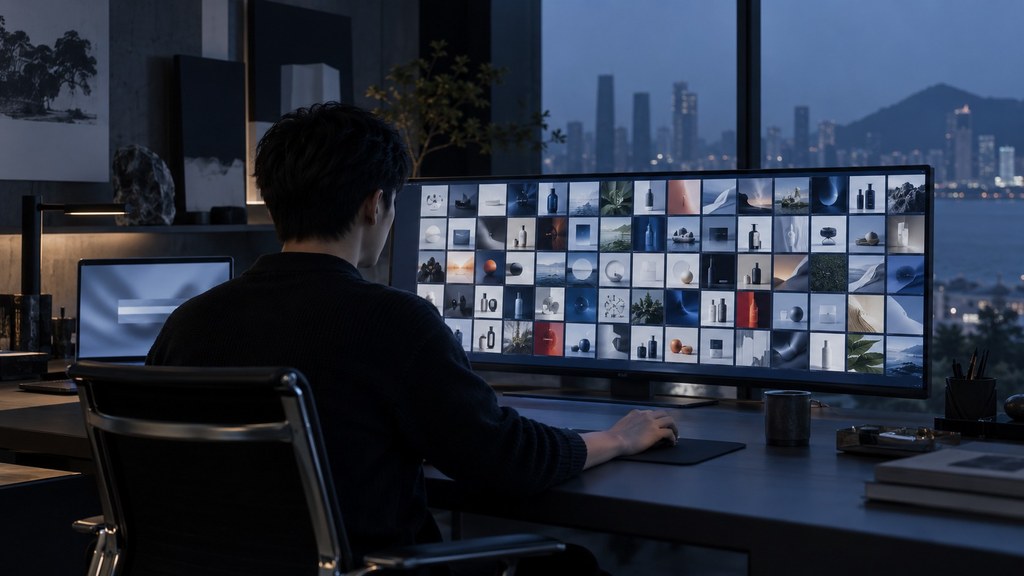
AI is shifting from assistive tool to creative partner, fundamentally changing how brand design works and how it creates value. The traditional "concept–sketch–final" process is giving way to "human-AI collaboration–real-time generation–dynamic optimization." AI is no longer just an efficiency tool. It is an intelligent system that can understand brand strategy, analyze user preferences, and generate creative concepts. The designer's role shifts from executor to strategist and steward of quality.
Widespread generative design is changing how creative work gets made. Given brand keywords, style preferences, and use cases, AI can generate hundreds of design options in seconds. This is not simple permutation but creative extension built on deep learning. Designers need to master prompt engineering, learn to converse with AI, and guide it toward work that serves brand strategy. This way of working demands sharper strategic thinking and aesthetic judgment.
Personalization at scale is now possible. AI makes a unique brand experience for every user a realistic goal. With real-time analysis of user data, brands can adapt visuals, content recommendations, and interactions on the fly. This isn't a handful of preset versions—it's true one-to-one personalization. Brand design needs flexible systems built to support it.
Redefining creative copyright has prompted reflection across the industry. When design is the product of human–machine collaboration, ownership becomes a new question. Designer, AI developer, data provider, brand—who owns the final work? The industry needs new rules and shared understanding to protect the legitimate rights of every party.
Mainstreaming sustainable aesthetics defines new standards
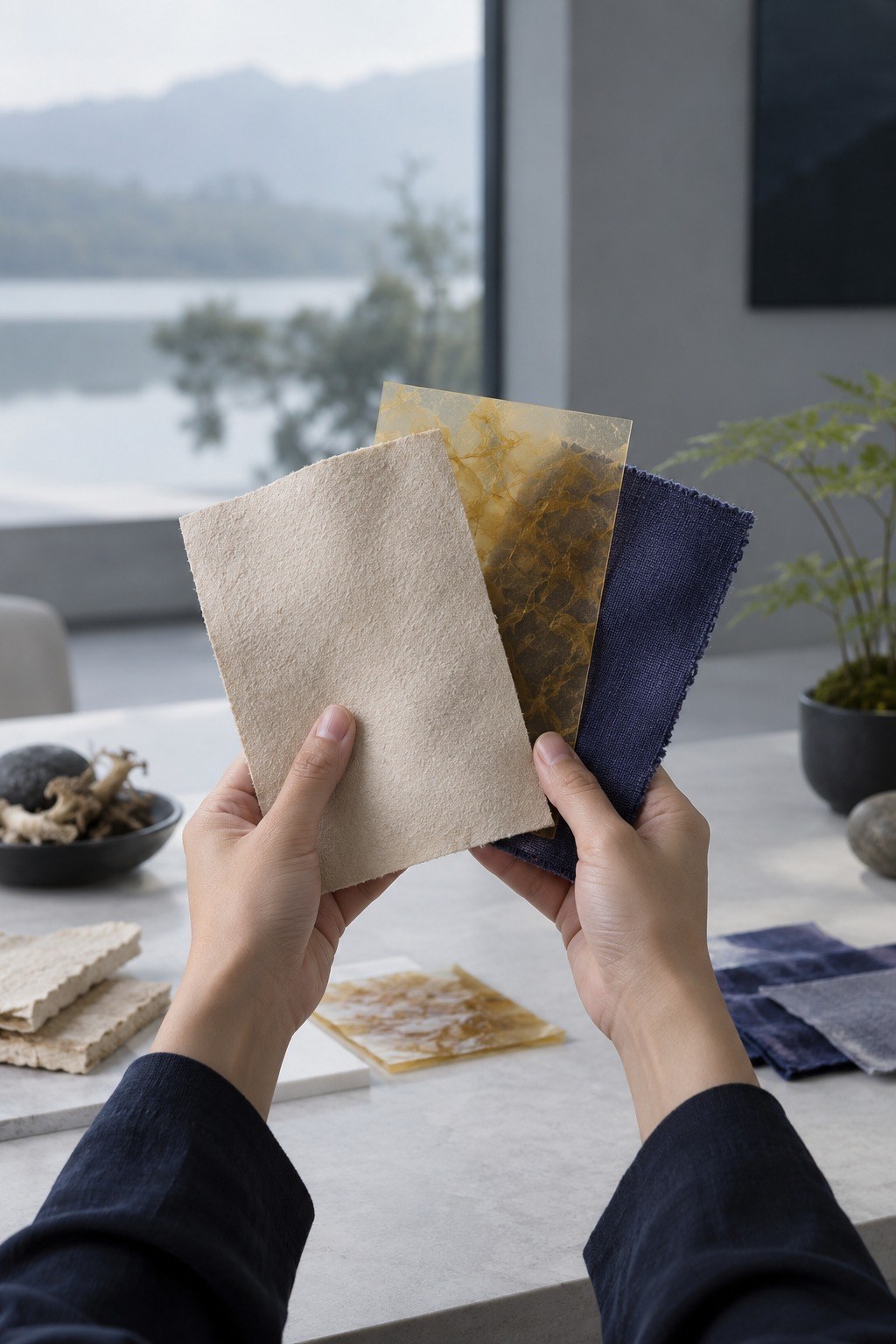
Sustainability is no longer a bonus for brands—it's a baseline. Consumers, especially Gen Z, treat it as a key factor in choosing brands. This shift requires brand design to fundamentally rethink materials, production, and product life cycles. Sustainable aesthetics aren't rough or bare; through innovative design, they make environmental responsibility a language of beauty.
Circular design is systems thinking applied across the entire process. From the first sketch, it considers how a product will be recovered and reused, how packaging can become something else, how labels can fully degrade, and how printing can pollute less. This approach requires designers to understand materials science, production processes, and recycling systems. Design decisions now weigh environmental impact alongside aesthetics and cost.
Biomaterials open new possibilities. Mycelium leather, algae-based plastics, bacterial dyes, and other biomaterials are entering commercial use. They are not only sustainable but bring new textures and aesthetics. Brands should be willing to try these materials and create a distinct aesthetic language for sustainability.
Transparency is the foundation of trust. Brands need to disclose material sources, production processes, and carbon footprint data. This openness is not a burden but an opportunity to build trust. Through design innovation, this information can be woven gracefully into the brand experience, making sustainability visible, tangible, and credible.
Evolving Dynamic Identity Systems
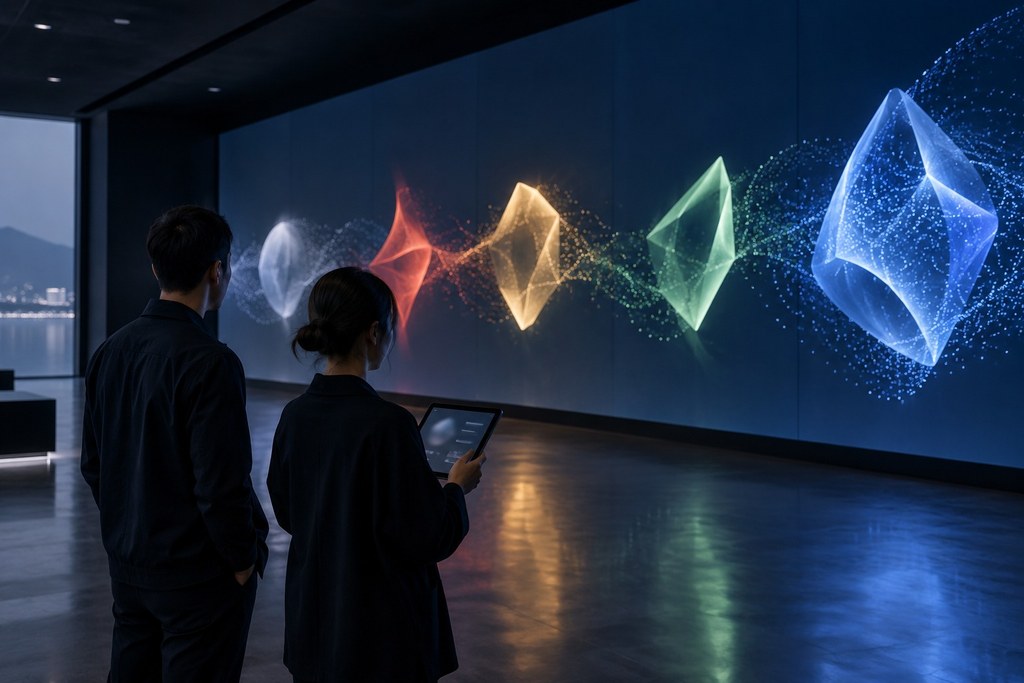
The era of the static logo is ending. Dynamic, variable, responsive identities are becoming the norm. A brand is no longer a fixed symbol but a living system that adapts to context, time, and audience. This change is not arbitrary; it evolves by clear rules, built on a core identity.
Algorithm-driven form generation opens endless possibilities. With parametric design, a brand mark can change with data input: stock prices shift its color, weather alters its shape, user interaction triggers animation. This dynamism makes a brand feel more alive and creates distinctive interactive experiences.
Multisensory brand experiences move beyond the visual. Sonic logos, haptic feedback, and even scent are becoming part of brand identity. Brand design must consider how to create a consistent experience across every sense. This matters most in AR/VR environments.
Responsive design adapts intelligently to every context. The brand identity recognizes where it appears and adjusts how it presents itself: playful on social media, composed and professional in formal documents. This adaptability keeps the brand recognizable while fitting each context more closely.
A Glocal Strategy for Cultural Integration
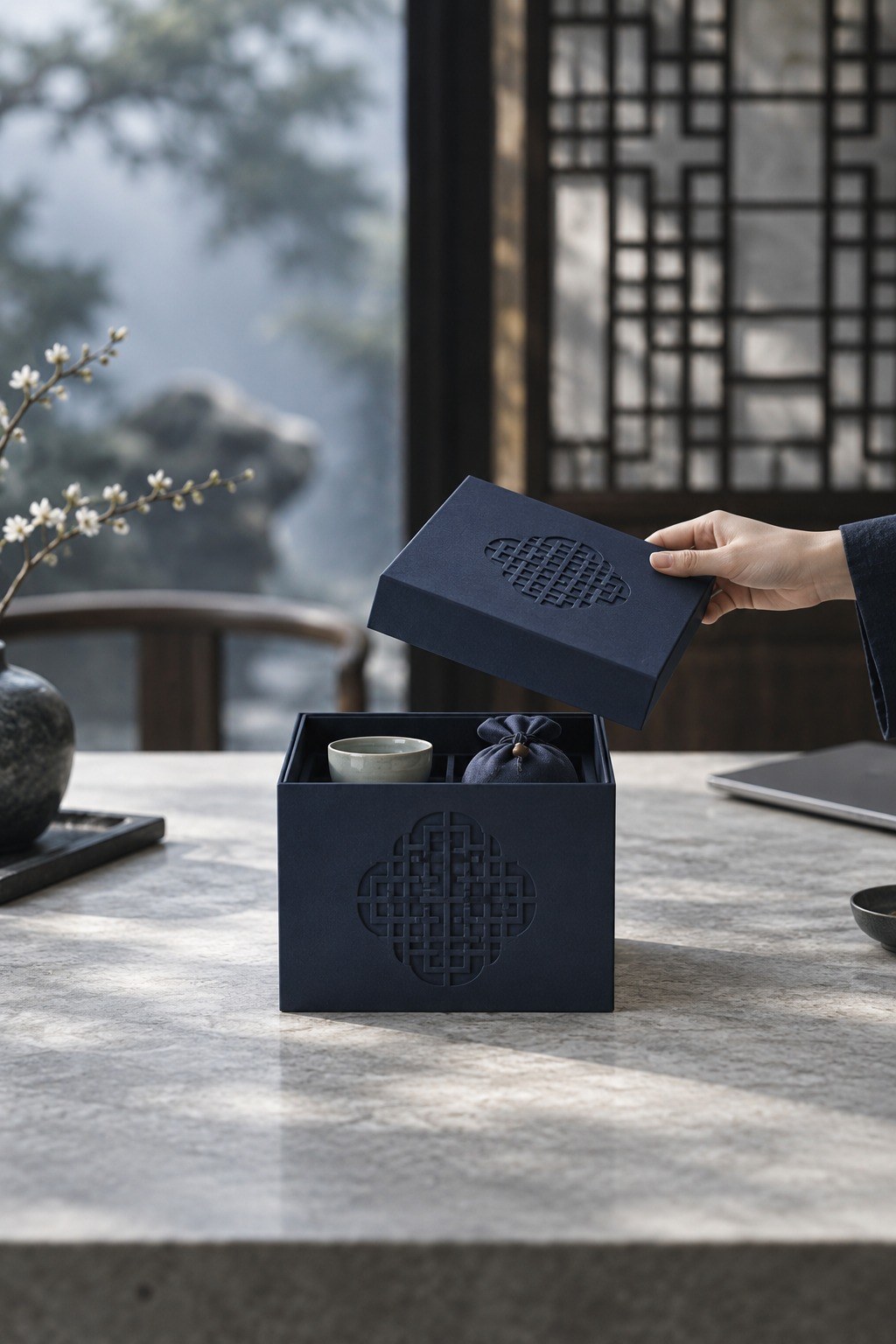
Global and local are no longer opposites; they now combine to drive innovation. Brands must balance global recognition with local relevance. This goes beyond simple translation or color adjustments. It requires a deep understanding of different cultures and a design language that is both universal and specific.
Fusing symbols across cultures creates a new aesthetic. Eastern poetic mood and Western logic, traditional craft and modern technology, local stories and a global language: through design, these seemingly opposed elements come together to form a distinct brand personality.
Region-exclusive editions, used strategically, strengthen a sense of belonging. Creating designs for a specific place is not market segmentation. It is a form of cultural respect. These regional editions often become a brand's most popular products because they carry cultural identity and emotional meaning.
Cultural sensitivity matters more than ever. A symbol, a color or a gesture can mean very different things across cultures. Brand design needs a cultural review process to prevent unintended offense.
Digital-Native, Experience-First Thinking
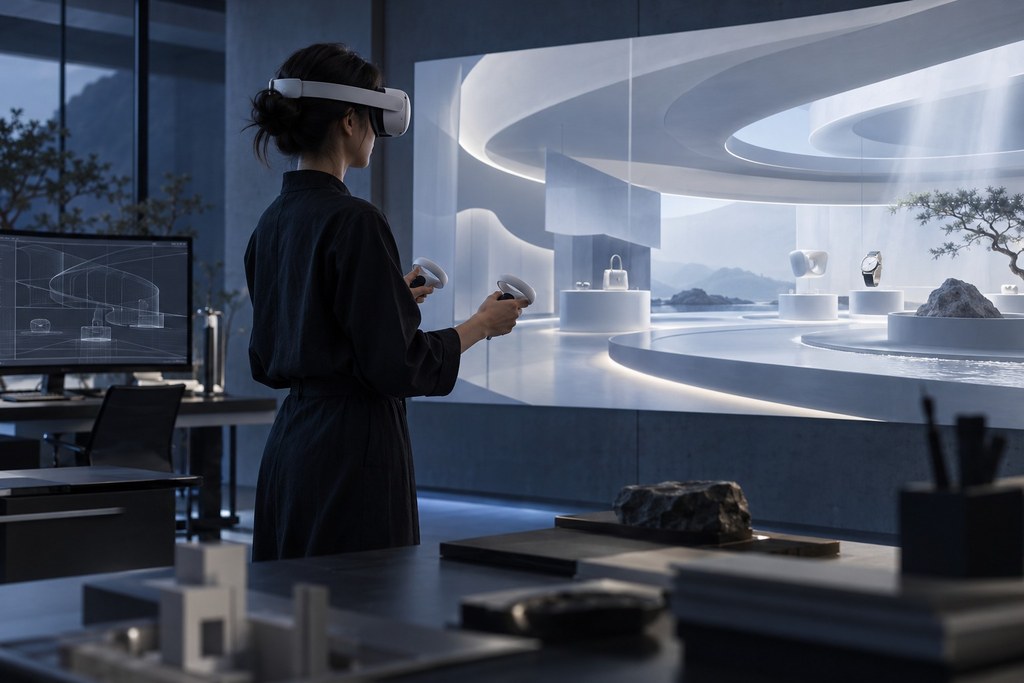
Digital is no longer an extension of the brand. It is the native environment. More and more brands start digital, with physical presence as the complement. This shift demands a fundamental change in design thinking: from static to dynamic, from one-way to interactive, from fixed to fluid.
Brand building in virtual space opens new ground. Through the metaverse, virtual showrooms, and digital flagship stores, brands establish a presence in virtual space. Free of physical limits, these spaces can deliver surreal brand experiences. Designers need new skills in 3D modeling, virtual reality, and game engines.
Interactive storytelling deepens the brand connection. The brand story is no longer told in one direction; users take part in it. Through gamification, branching narratives, and personalized paths, every user has a distinct brand experience.
The aesthetics of data visualization have become a new language. Data is no longer dry numbers but a new medium for brand expression. Through creative visualization, brands can demonstrate transparency, convey their values, and create visual spectacle.
Participatory design for community co-creation
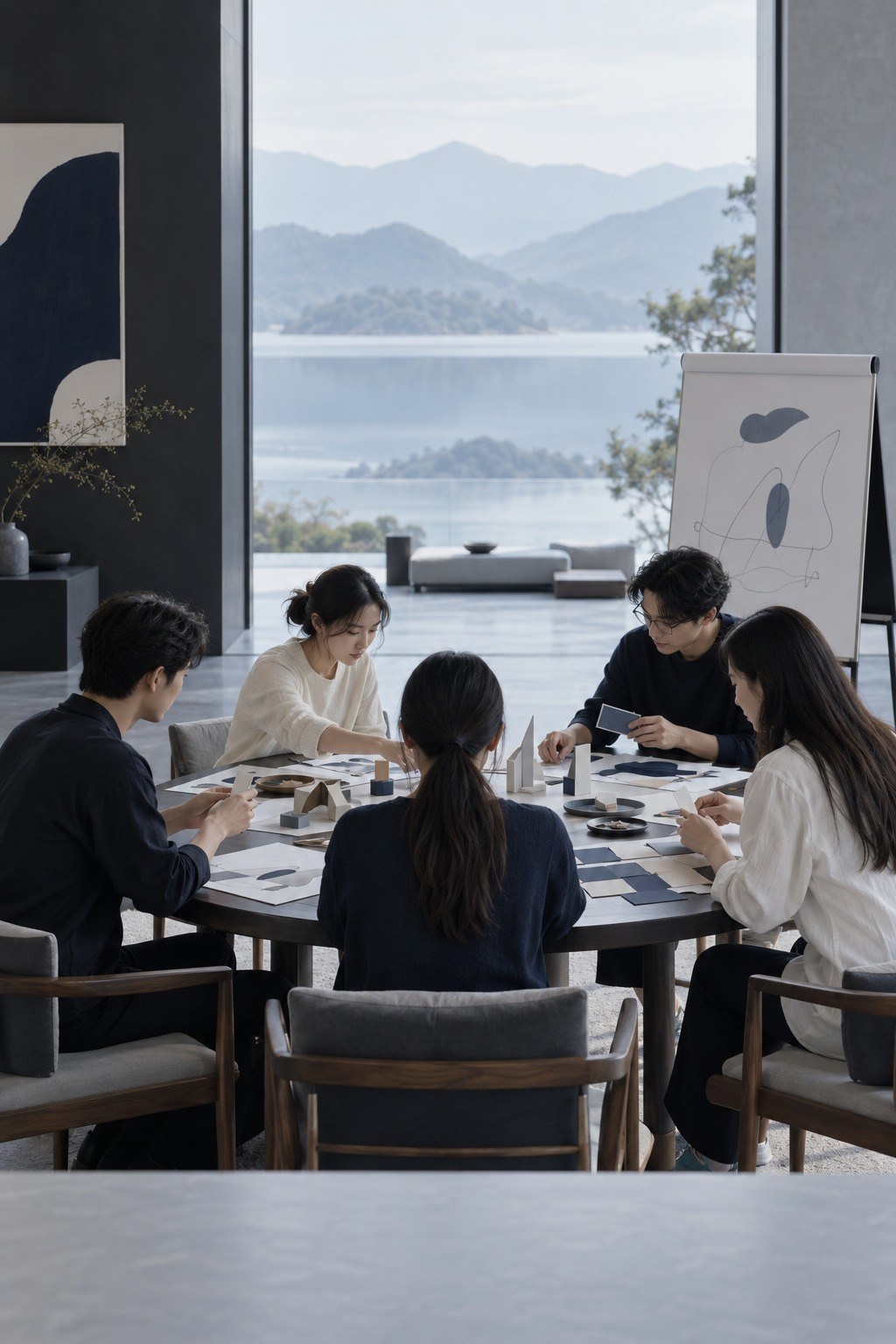
A brand is no longer a company's exclusive asset, but a cultural symbol shared with its community. Users shift from consumers to co-creators, taking part in how the brand is designed, shared, and evolved. This shift asks brands to let go of control and embrace openness and uncertainty.
Systematically integrating UGC enriches brand expression. User-generated content is no longer a supplement. It is the core of brand content. By providing creation tools, setting content guidelines, and building sharing platforms, brands mobilize the creativity of their users.
Co-creation platforms spark innovation. Through design competitions, creative workshops, and open-source projects, brands invite users to create with them. This is not free labor but an exchange of value. Users gain a sense of ownership and achievement. Brands gain ideas and loyalty.
Community culture evolves into a brand subculture. Successful brand communities develop their own language, rituals, and symbols. Design should provide the tools and space for that culture to grow.
The deep evolution of minimalism

Minimalism is no longer a surface reading of “less is more.” It is precise expression that follows essential thinking. In 2025, minimalism is more mature and more varied. It is not a single aesthetic but an expression of design philosophy.
Functional minimalism focuses on core value. It removes every unnecessary ornament and feature, keeping only what matters most. This kind of minimalism demands a deep understanding of user needs and a clear view of what the brand is.
Emotional minimalism creates deep resonance. Simple forms carry rich emotion, and the fewest elements create the greatest impact. This minimalism is not cold. It is restrained depth.
Sustainable minimalism reduces resource use. Minimal design naturally fits sustainability: fewer materials, simpler processes, longer lifespans. This minimalism is a form of respect for the planet.
Human Expression of Emotional Intelligence

Brands are gaining emotional intelligence: the ability to recognize, understand, and respond to how users feel. This is not surface-level imitation of human behavior, but a real capacity for emotional interaction.
Real-time emotion recognition adapts the experience as it happens. Through facial recognition, voice analysis, and behavioral patterns, a brand can sense a user's emotional state and adjust the interaction. A simpler version when users are tired. More interactive elements when they're excited.
Emotional memory builds deeper relationships. A brand can remember its emotional history with each user and bring back good memories at the right moment. This continuity makes a brand relationship feel more like a human one.
The spread of empathetic design advances inclusivity. Design is beginning to truly consider the needs of vulnerable groups, not because regulations require it, but out of genuine care. Accessible design, age-friendly design, and attention to mental health are becoming standard.
Agile responsiveness for real-time design
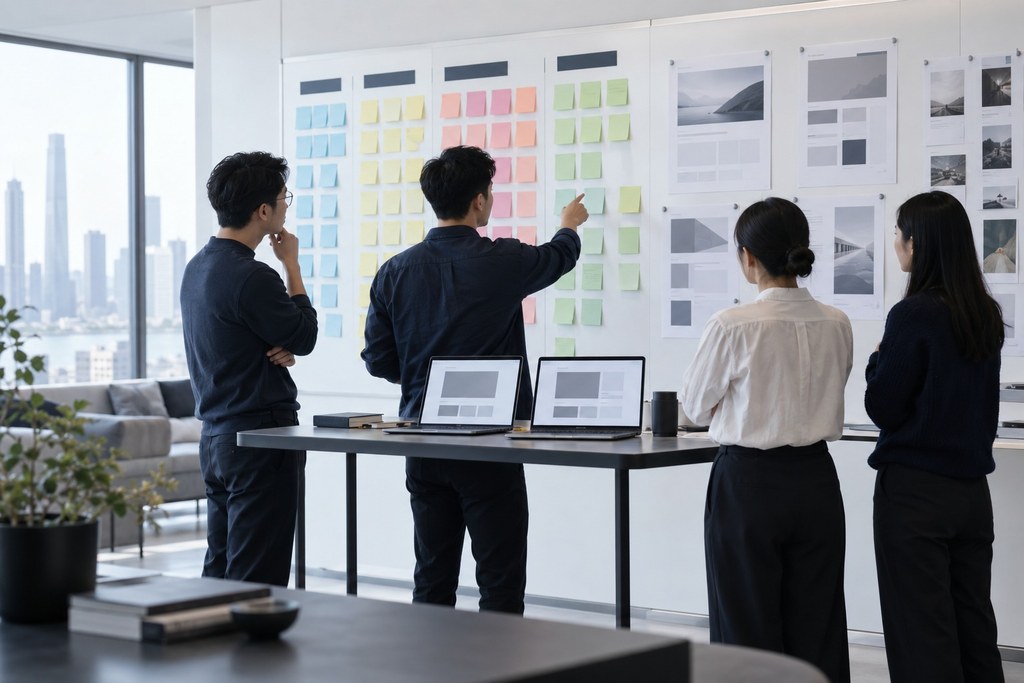
Design cycles have shrunk from months to days, even hours. Brands must respond quickly to trending topics, trends, and feedback. Working in real time demands new design processes and tools.
A creative response mechanism for trends means getting the timing right. With a rapid-response team, modular assets, and contingency plans in place, a brand can respond creatively within the golden window.
Continuous A/B testing drives ongoing improvement. Every design is a hypothesis that data must validate. Real-time A/B testing lets brands iterate quickly and find the best solution.
Agile design reshapes the process for greater efficiency. Borrowing from agile software development, design adopts sprints, iteration, and rapid prototyping to shorten the path from idea to launch.
Building a Brand Universe as an Ecosystem
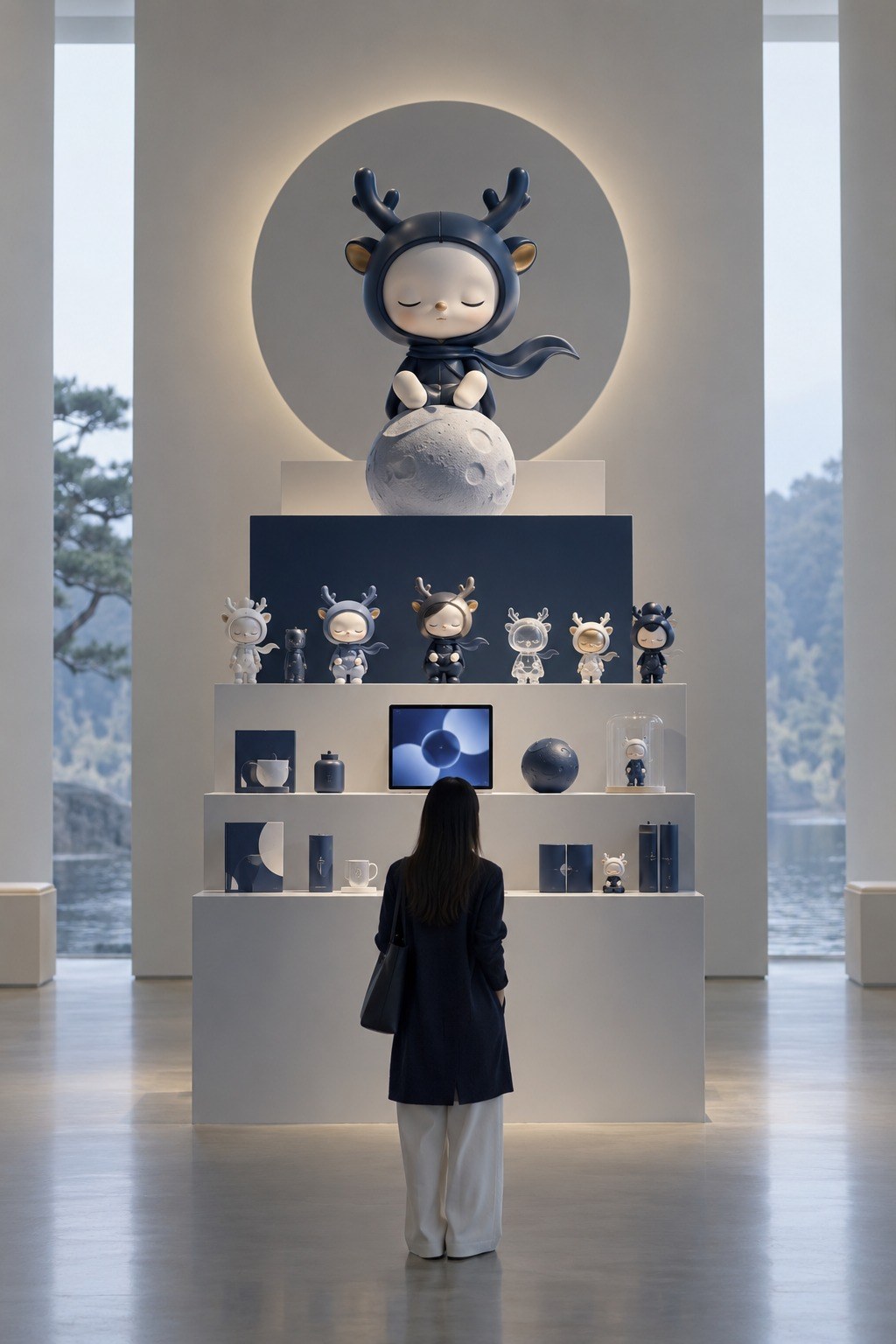
A brand is no longer a single entity, but an ecosystem of sub-brands, IP, and communities. A brand universe like this requires a sophisticated design system to manage it.
A strategic IP portfolio expands the boundaries of a brand. Beyond the master brand, character IP, story IP, and concept IP form a rich brand universe. Each has its own personality, but all share the brand's DNA.
Cross-industry ecosystems multiply value. The boundaries between brands are increasingly blurred. Through strategic alliances, ecosystem partnerships, and shared platforms, brands create value greater than the sum of their parts.
Standardized open interfaces accelerate innovation. Brands provide design APIs, asset libraries, and creation tools, enabling third parties to generate derivative content based on brand foundations. This openness accelerates brand propagation and evolution.
Brand design in 2025 will be a dialectical synthesis of technology and humanity, global and local, rational and emotional, control and openness. Brands that master these trends will secure advantage in the emerging competitive landscape.
Conclusion
Brand design trends in 2025 reflect the deep influence of technological progress, social transformation, and cultural evolution. Through analyzing these ten trends, we see that future brand design will become increasingly intelligent, human-centered, and sustainable. Design is no longer purely visual expression but a comprehensive experience creation that integrates technological innovation, social responsibility, and emotional connection.
Facing these trends, brands and designers must maintain open and learning mindsets, embracing innovation without losing sight of core brand values. Trends are reference points, not dogma—the key lies in finding the development path suited to each brand. At the same time, recognize that genuine innovation often emerges from transcending trends, not merely following them.
Looking forward, brand design will continue seeking balance between change and constancy. What changes are technical methods, expressive forms, and communication channels; what remains constant are the pursuit of beauty, respect for users, and adherence to values. Let these trends guide us, but not constrain us—using creativity and imagination to pioneer new frontiers in brand design, contributing more beautiful design work to this rapidly changing world.