









Ageless Community
A “re-creation” positioning for senior living. From “luxury hospital ward” to “a new university for life,” breaking the sociological deadlock of the eldercare industry.

A Sociological Deadlock
Client Background
VIVANT – A premium wellness and senior living brand under a major listed real estate group
The Fundamental Dilemma
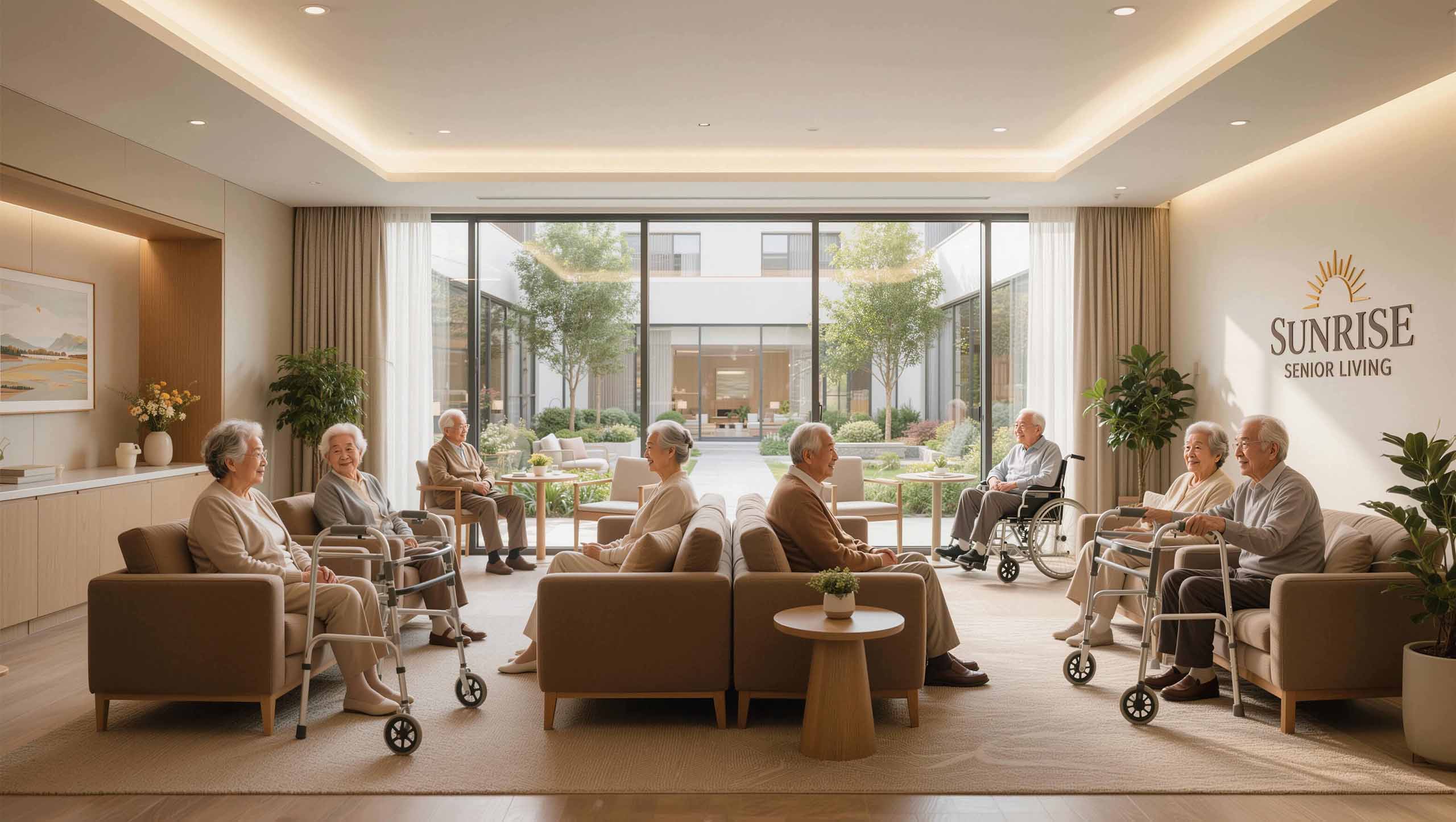
The word “eldercare” is inextricably tied to“decline, isolation, dependence, and the end of life”and similar negative perceptions.
Resistance from Seniors
Highly educated, high-net-worth seniors strongly reject the “nursing home” label, seeing a move-in as “losing their value” and “being cast aside by society.”
Guilt from Adult Children
In the eyes of society, sending parents to a care facility is almost tantamount to being “unfilial.”
An Emotional Dilemma
Emotionally, the VIVANT brand is“undesired.”。
This is a“bought out of guilt, entered with reluctance”vicious cycle.
The Wrong Category
The core problem isn’t “poor service.” It’s“being positioned in the wrong category.”。
An Outdated Assumption
The traditional eldercare industry assumes the core need of “the elderly” is“to be cared for.”
The Human Insight
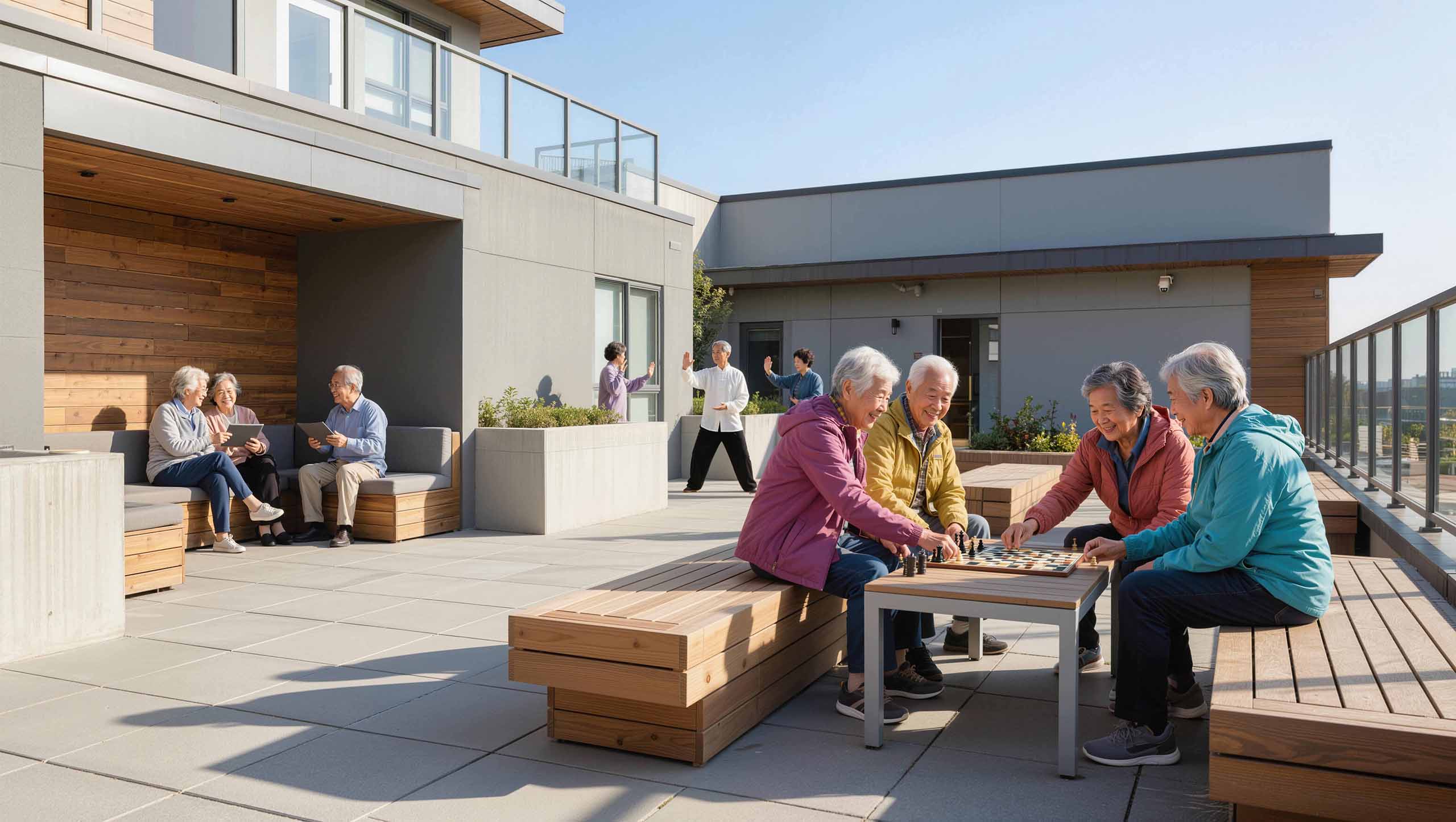
Retirees aged 60–75 are the most vibrant, knowledgeable and affluent generation in China’s history.
What they fear most
is not “physical aging”
but
“spiritual death”: the loss of social identity, creativity and connection to mainstream society
Core insight
They don’t needEldercare,
They craveRe-creation。
VIVANT’s real competitor isn’t other nursing homes.
butIt’s “boredom and isolation.”。
We shouldn’t build “luxury hospital wards.”
We should build“a new university for life.”——
a platform where wisdom and creativity flow again.
A Center for Life’s Re-creation
Completely disrupt the “senior living real estate” category, reframing it around the value of “culture and education.”
Ageless Community
Ageless Community: A Center for Life’s Re-creation
Brand Positioning Statement
| Target audience | “Evergreens” who reject the “aging” label and want to keep learning and creating, and their families |
| Brand definition | China's first "university-style" ageless lifestyle community |
| Core value | A platform for reinvention that transcends age, unlocking personal potential and social connection |
| Reasons to Believe | We built the community around art studios, libraries and lifelong learning, not nursing stations. The second half of life isn't an exit. It's a reinvention. |
Not retirement,
but re-creation.
Not an exit. A new act.
Strategic Impact
Instantly moved the brand away from“medical care”and its negative associations,
reframing it around“culture and education”and its positive value.
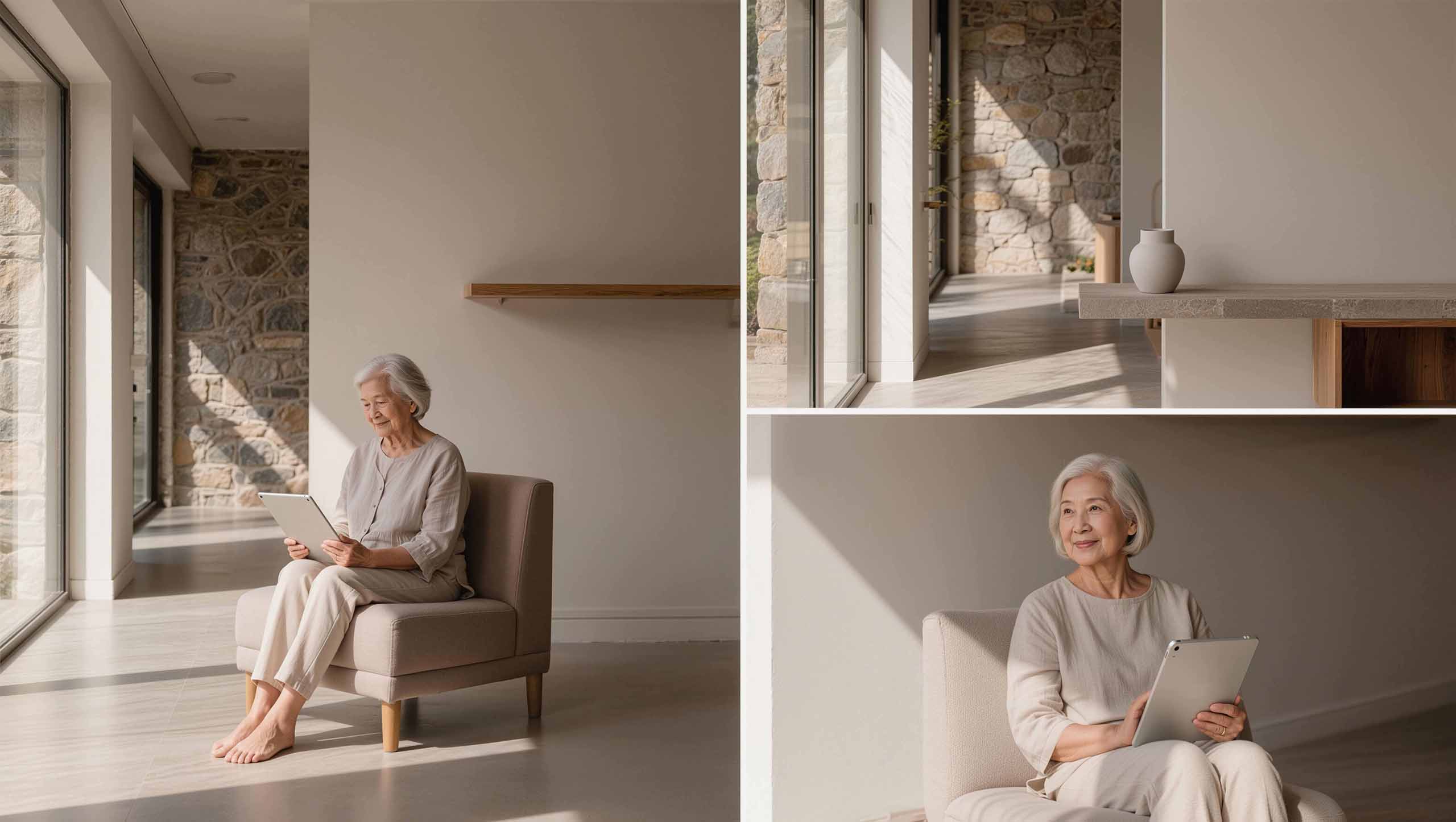
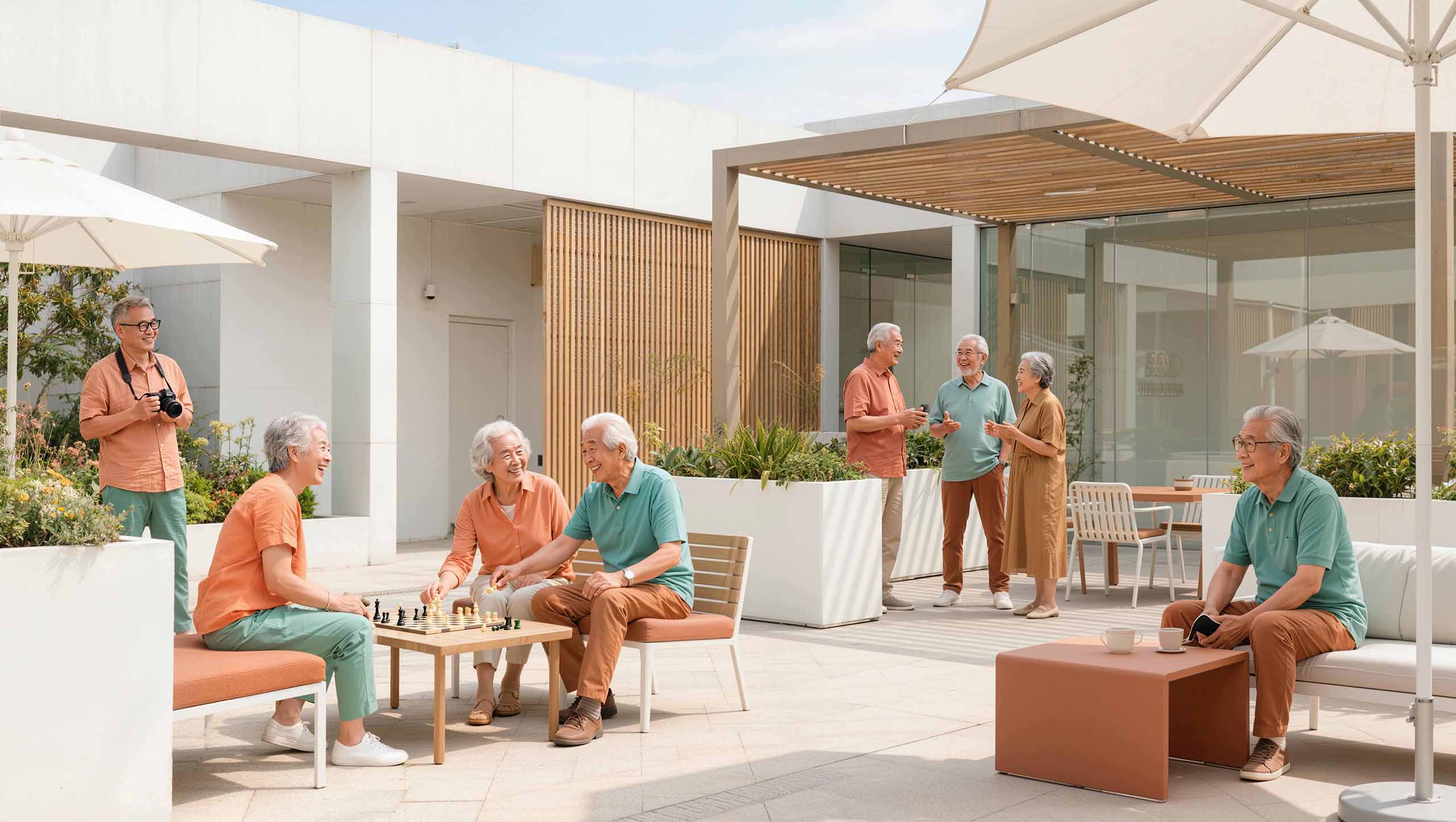
Erasing the Visual Stigma of the “Nursing Home”
How can design build an entirely new perception of a “university / arts center”?
VI Visual identity system
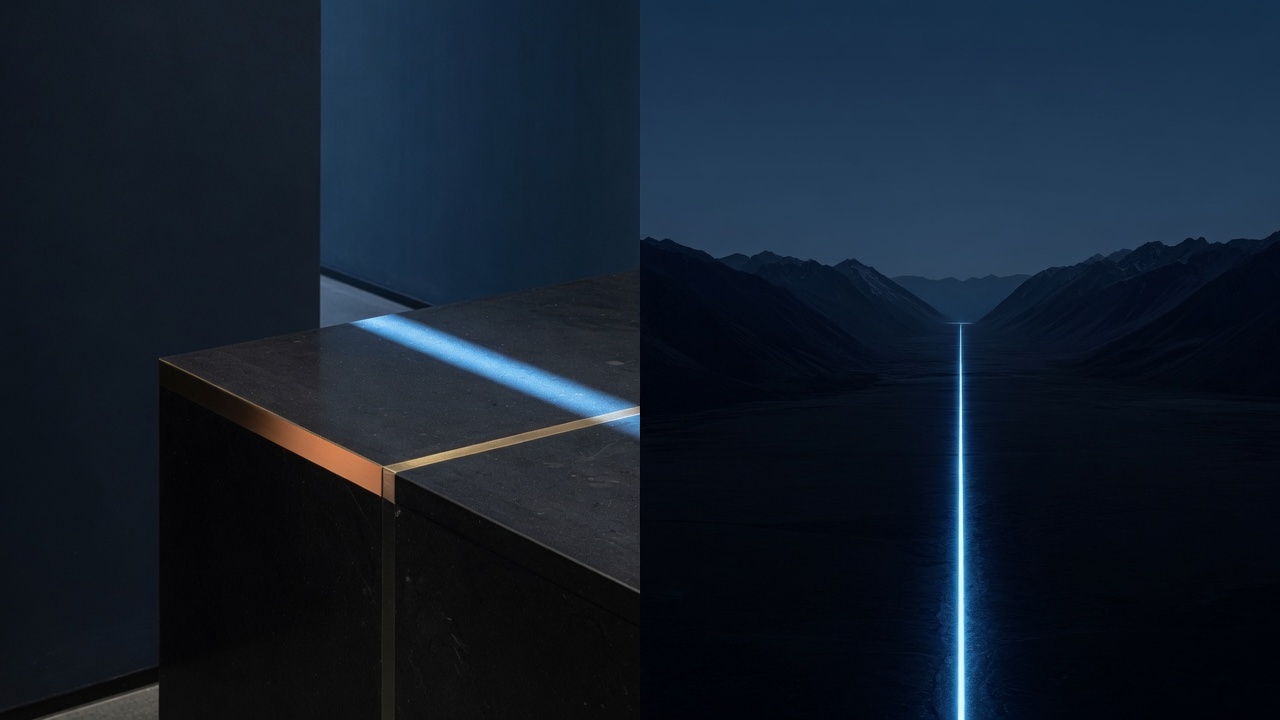
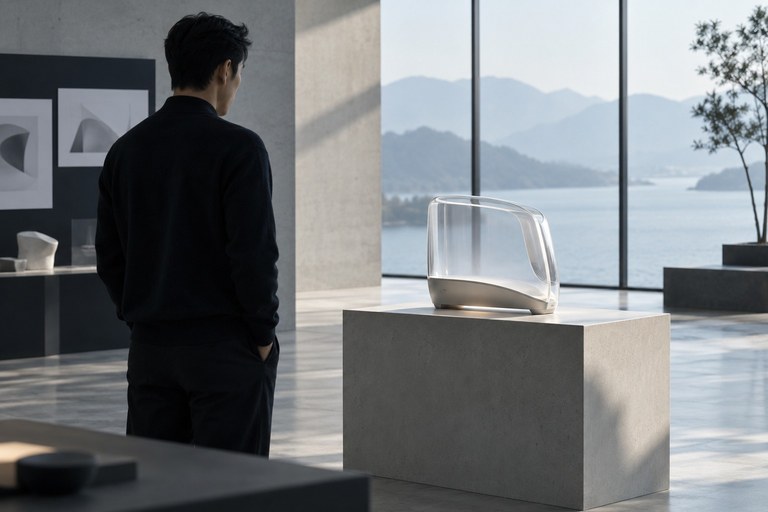
A Modern Art Museum Palette
Fully abandon the “beige,” “pale blue” and “hospital green” that saturate the wellness sector.
Emotions conveyed: vitality, creativity, wisdom, openness.
Paired with generous “museum white” to create an academic, contemporary atmosphere.
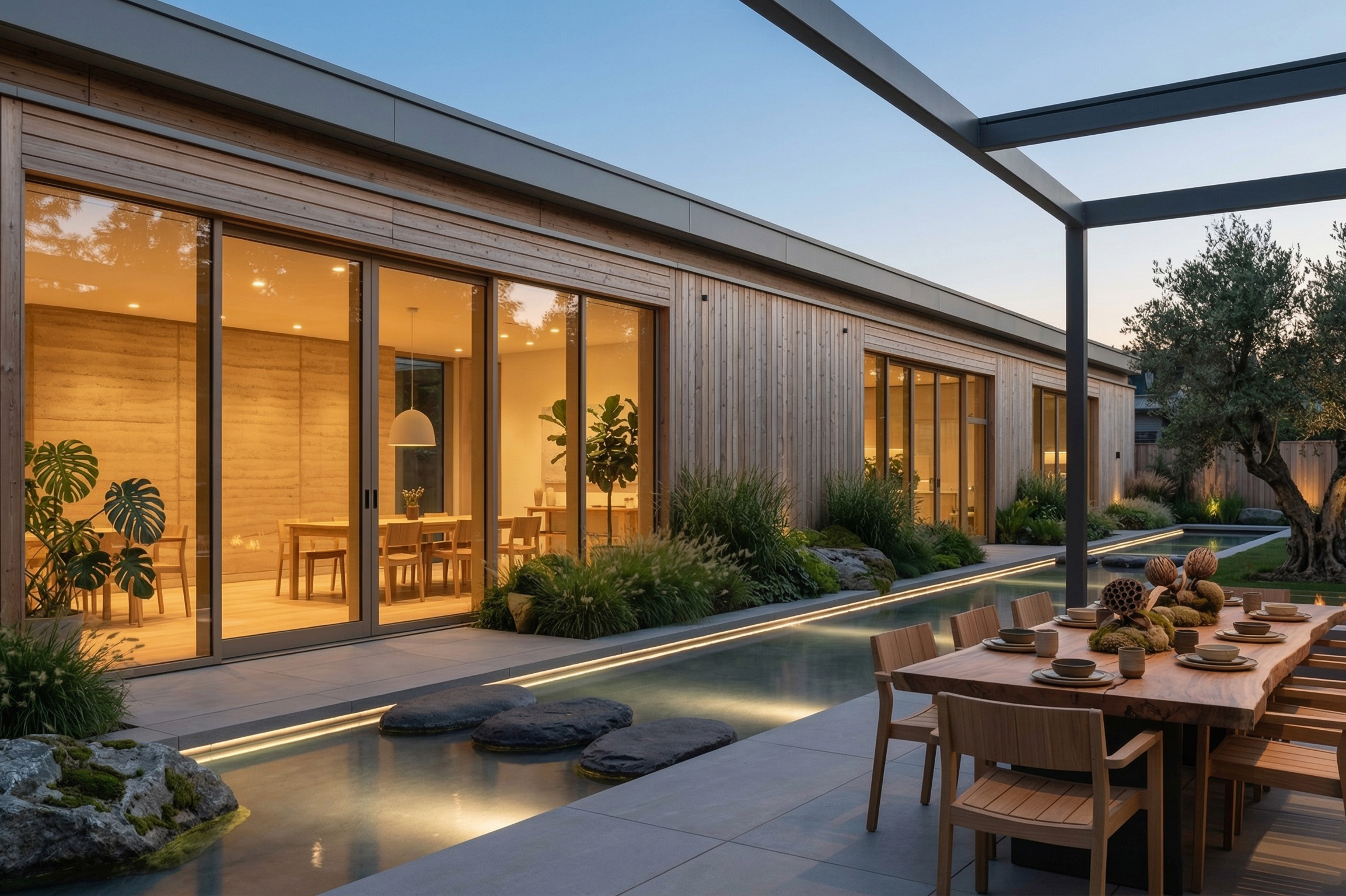
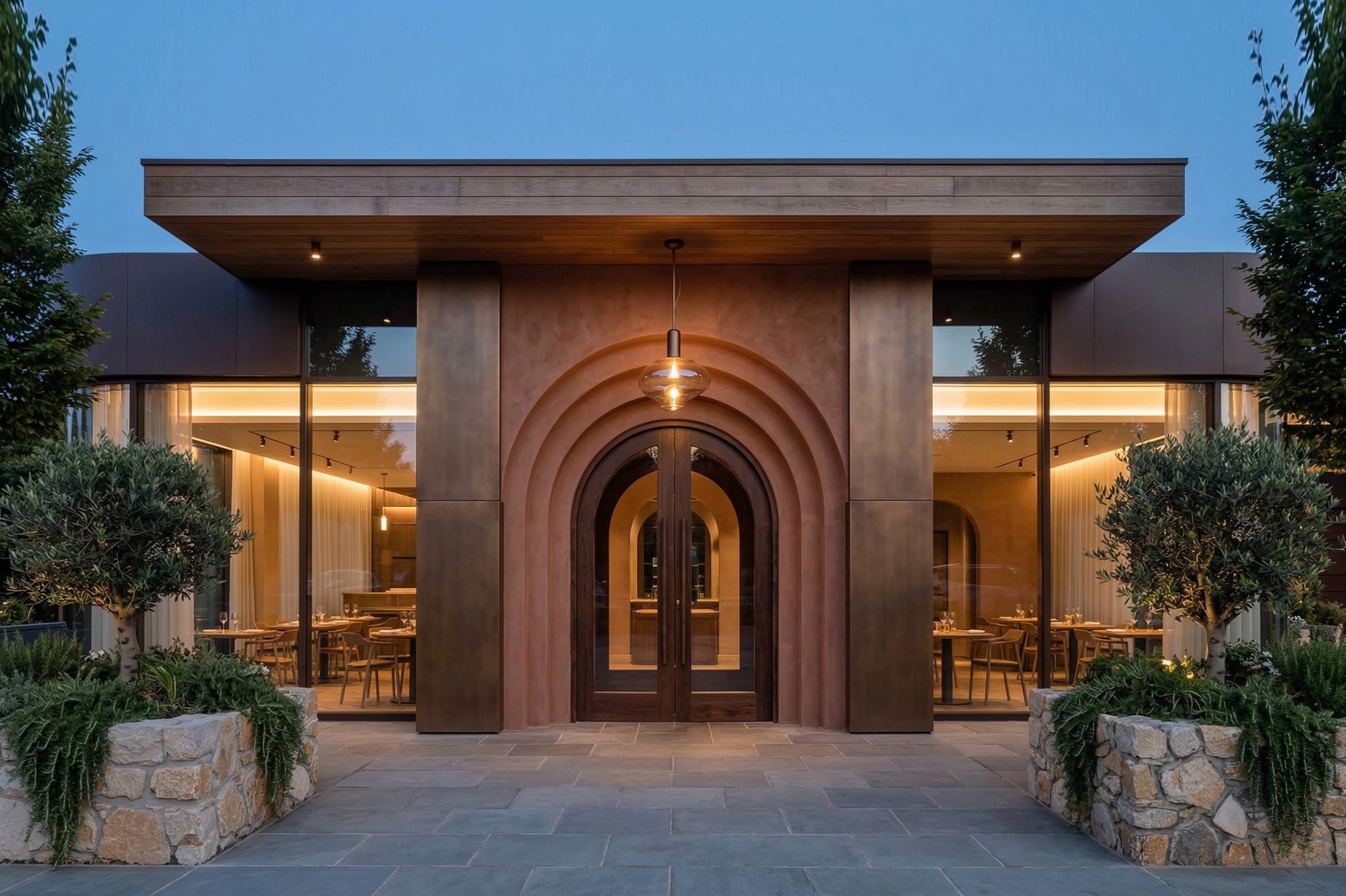
SI Spatial Design – The Library as the Heart
A Revolution in Construction
Completely overturning the traditional nursing-home layout “centered on the nursing station,”
the space places a triple-height“Central Library & Art Workshop”at its absolute core.

Spatial Program
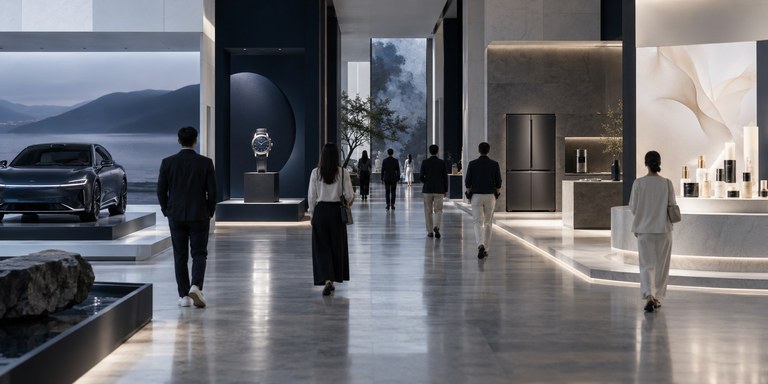
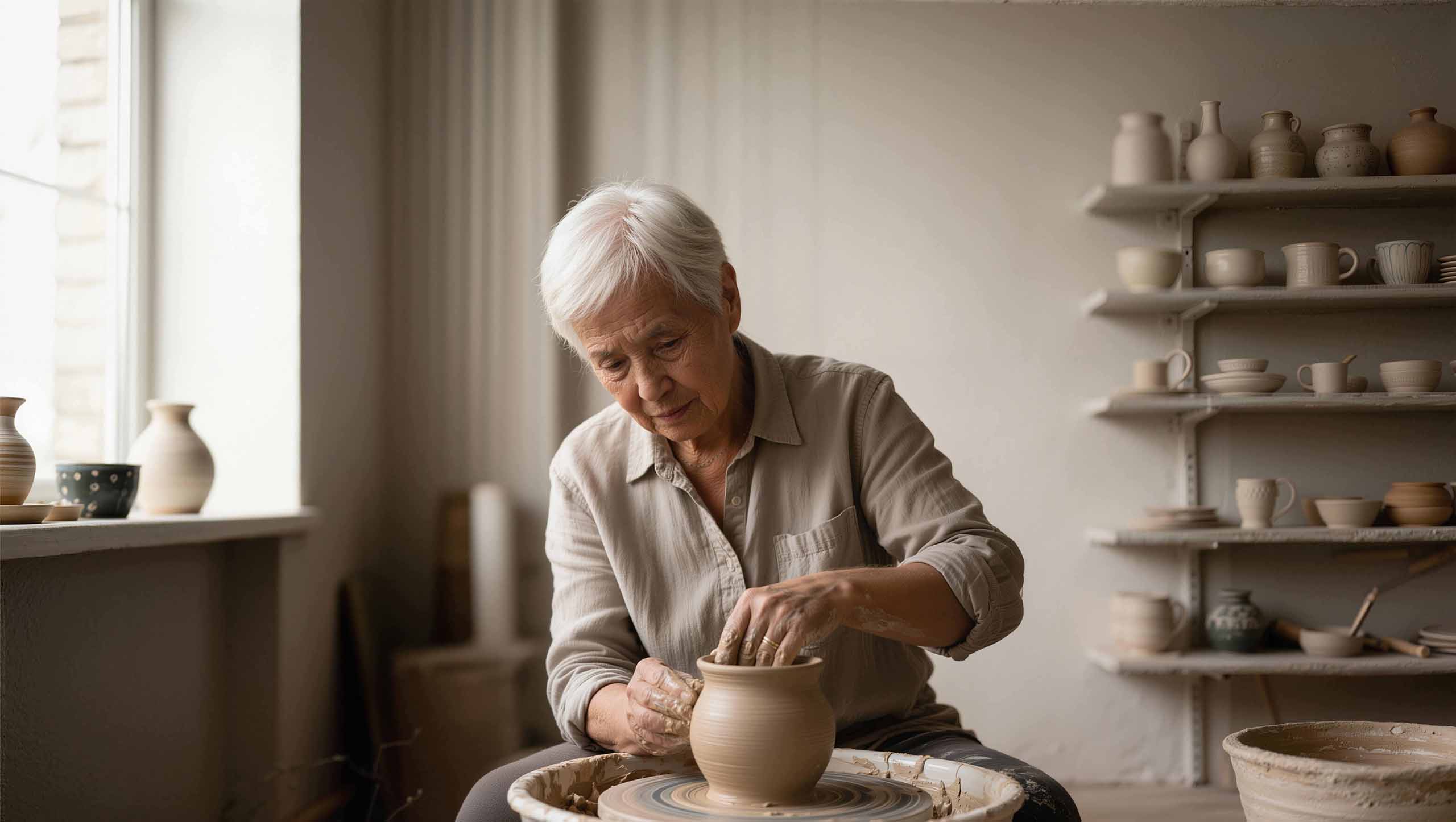
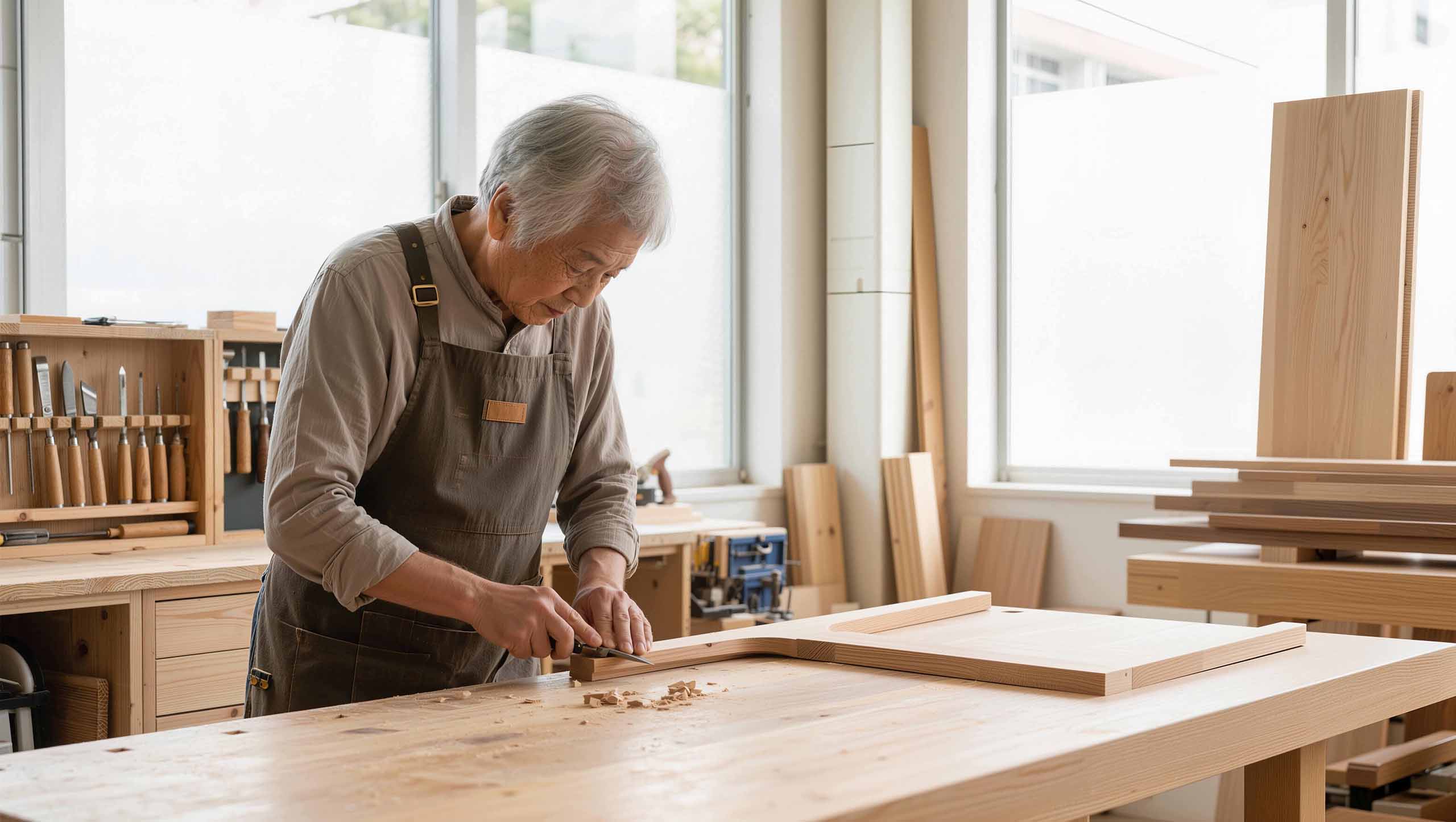
The “heart” houses a library, café, gallery, ceramics studio, woodshop, calligraphy room and small theater
Materials
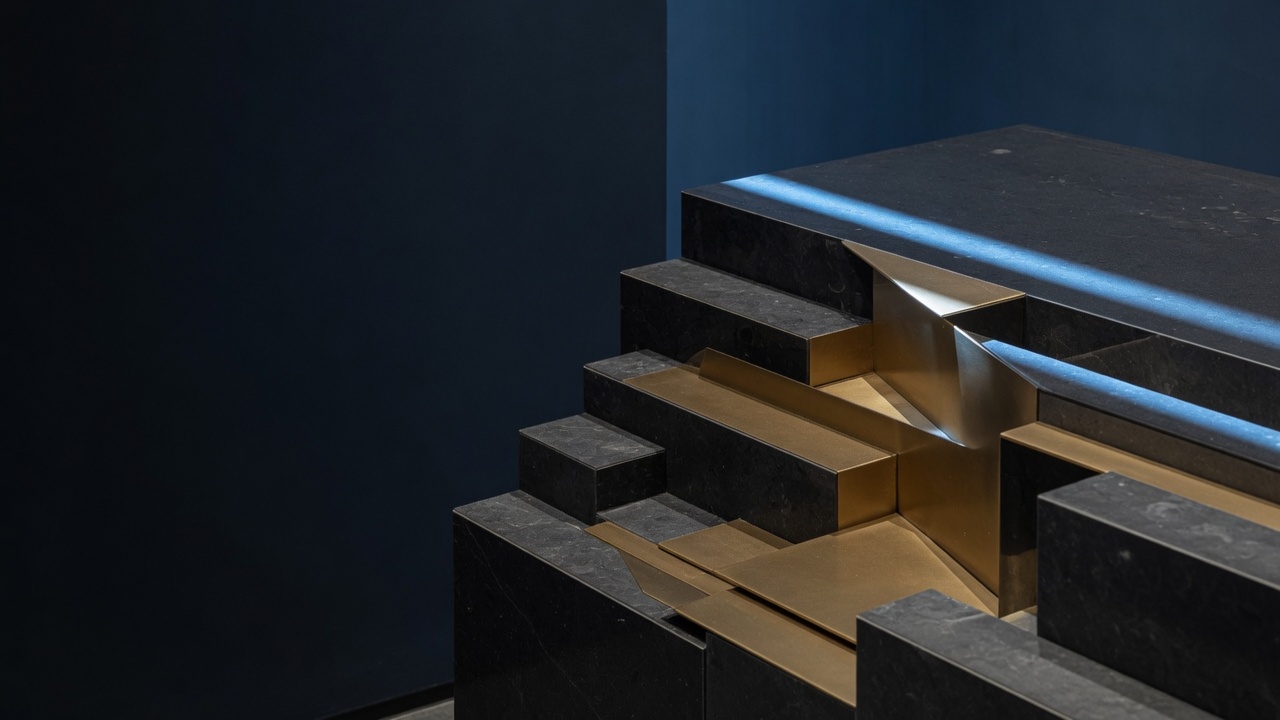
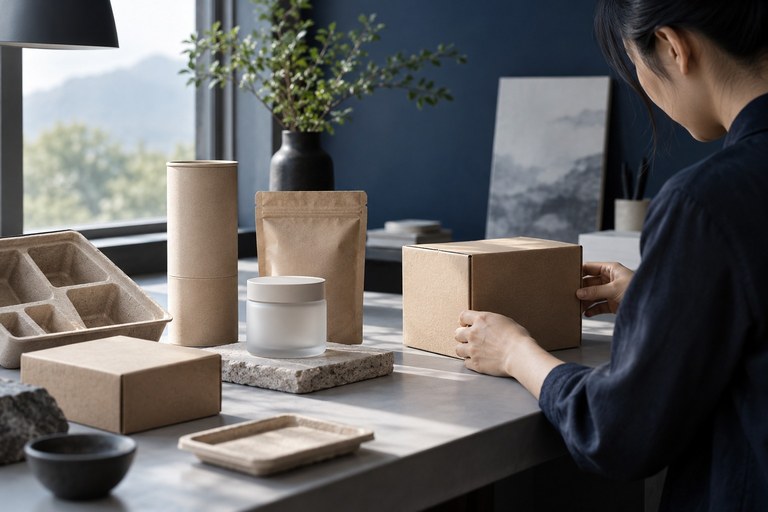
Extensive use of natural wood, brass and terrazzo evokes the feel of a “university library” and the “Bauhaus”
De-medicalization
All care features use “invisible design”: handrails become decorative lines, and call buttons are integrated into smart panels
Naming & Communication – Reshaping Identity
Conventional Terms
Residents
Caregivers
Reinforces the identity of “the cared-for”
VIVANT Terms
Members / Scholars
Life Partners
Reframes them as “creators”
Communication Strategy
The brochure cover features a close-up of a “member” absorbed in creating in the ceramics studio, not a figure seen from behind, strolling through a garden.
We put"Creativity", not “being cared for.”
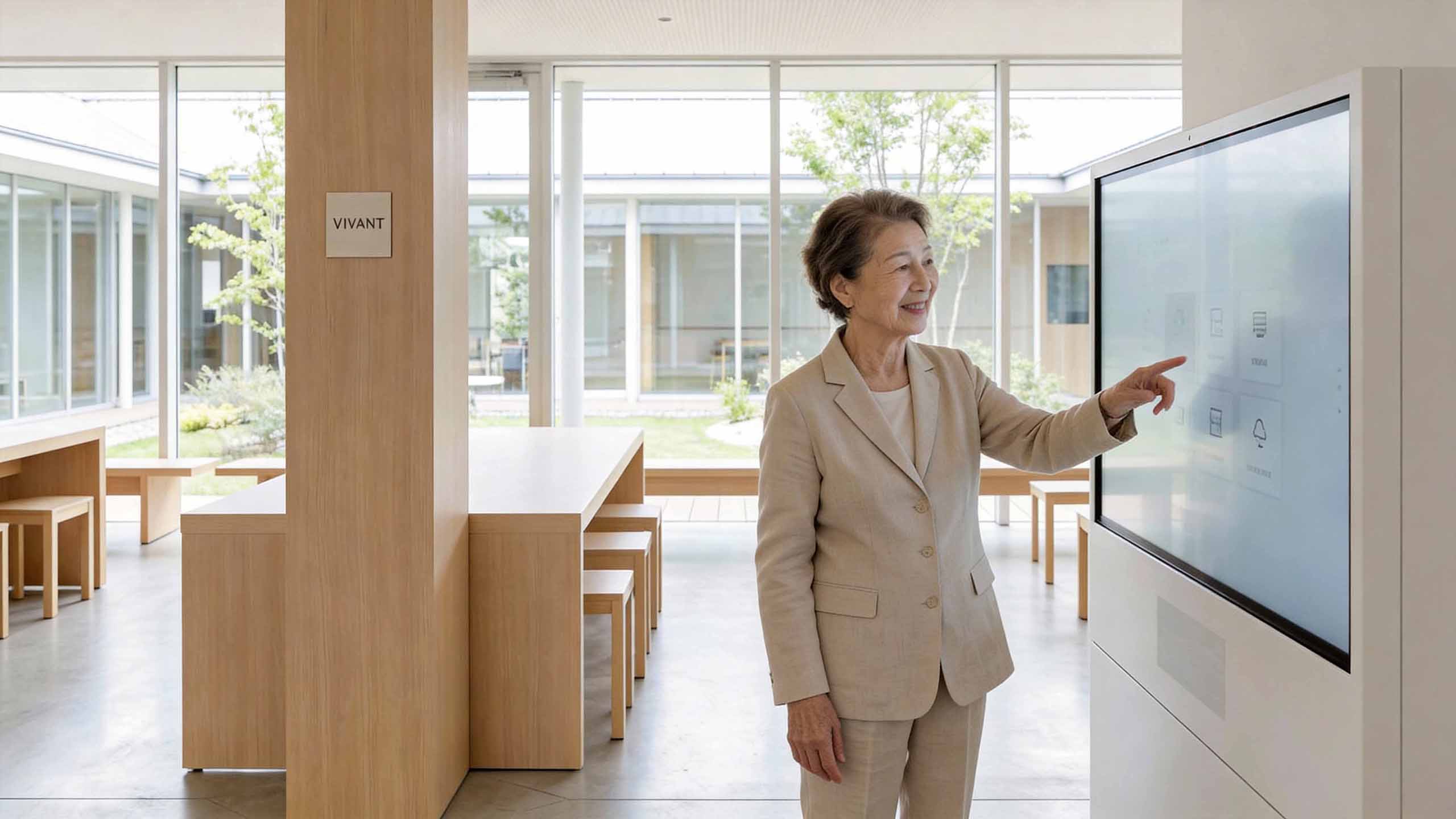
Spatial details
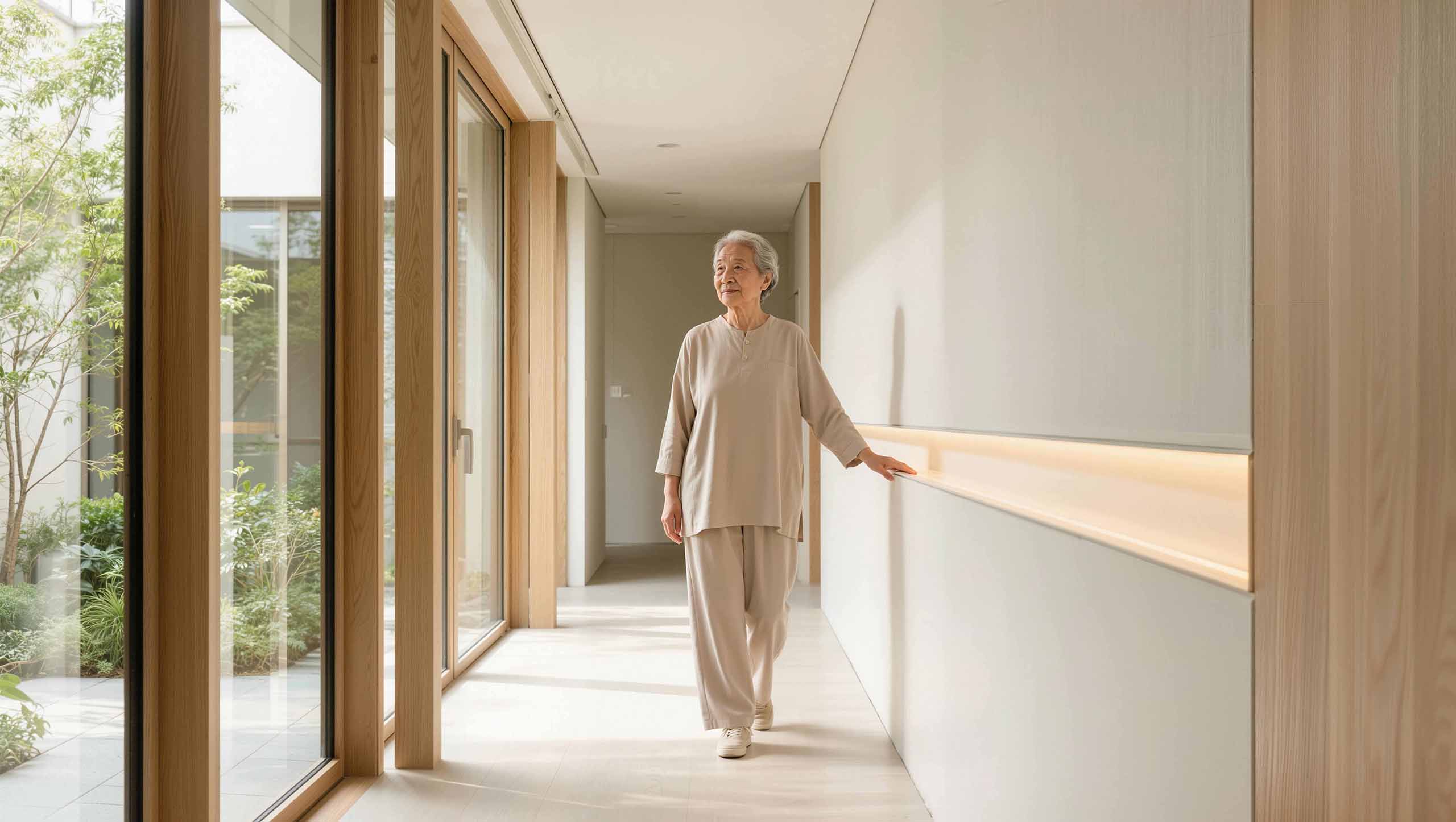
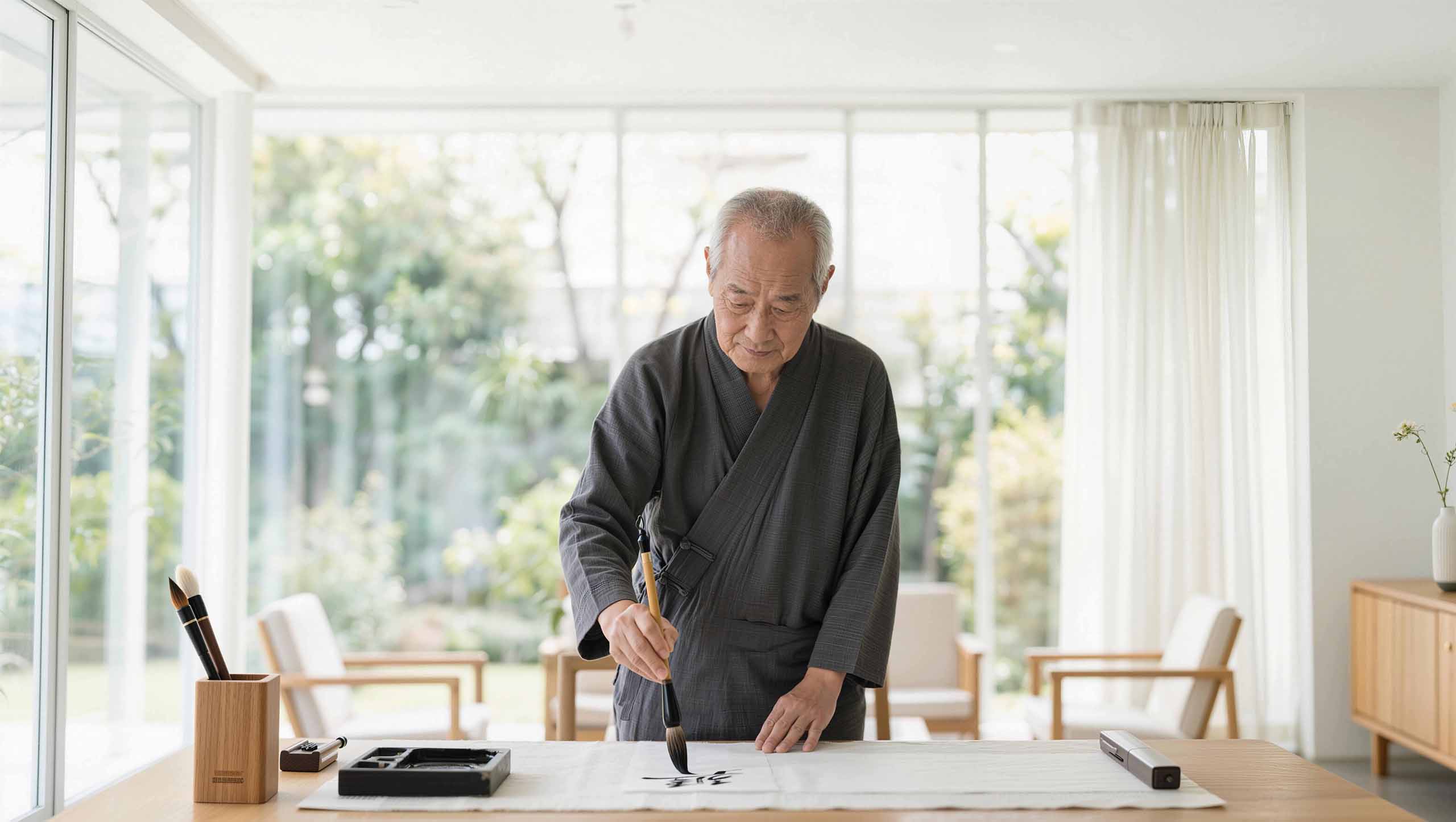
Market and social returns
Category creation
Successfully defined the blue ocean of "university-style senior living"
Decision transformation
Children send parents in with "pride," seniors move in with "anticipation"
Premium pricing power
Priced 30% higher with 95% occupancy
Social impact
Featured by mainstream media as an innovative solution
Key Metrics
| Metrics | Data | Details |
|---|---|---|
| Price Premium | +30% | Priced above traditional high-end senior living |
| Occupancy Rate | 95% | Against an industry average of just 60%, a scarcity premium for "spiritual value" |
| Purchase Decision | A Fundamental Shift | From guilt to pride, from resistance to anticipation |
| Category Position | Blue-Ocean Pioneer | Defined a new category: "university-style" wellness living |
| Media Coverage | Caijing, Sanlian Lifeweek | Featured in in-depth coverage as an "innovative solution for an aging society" |
Social value
The VIVANT model achieved not only commercial success but also significantSocial reputation,
A benchmark case for innovative aging society solutions.
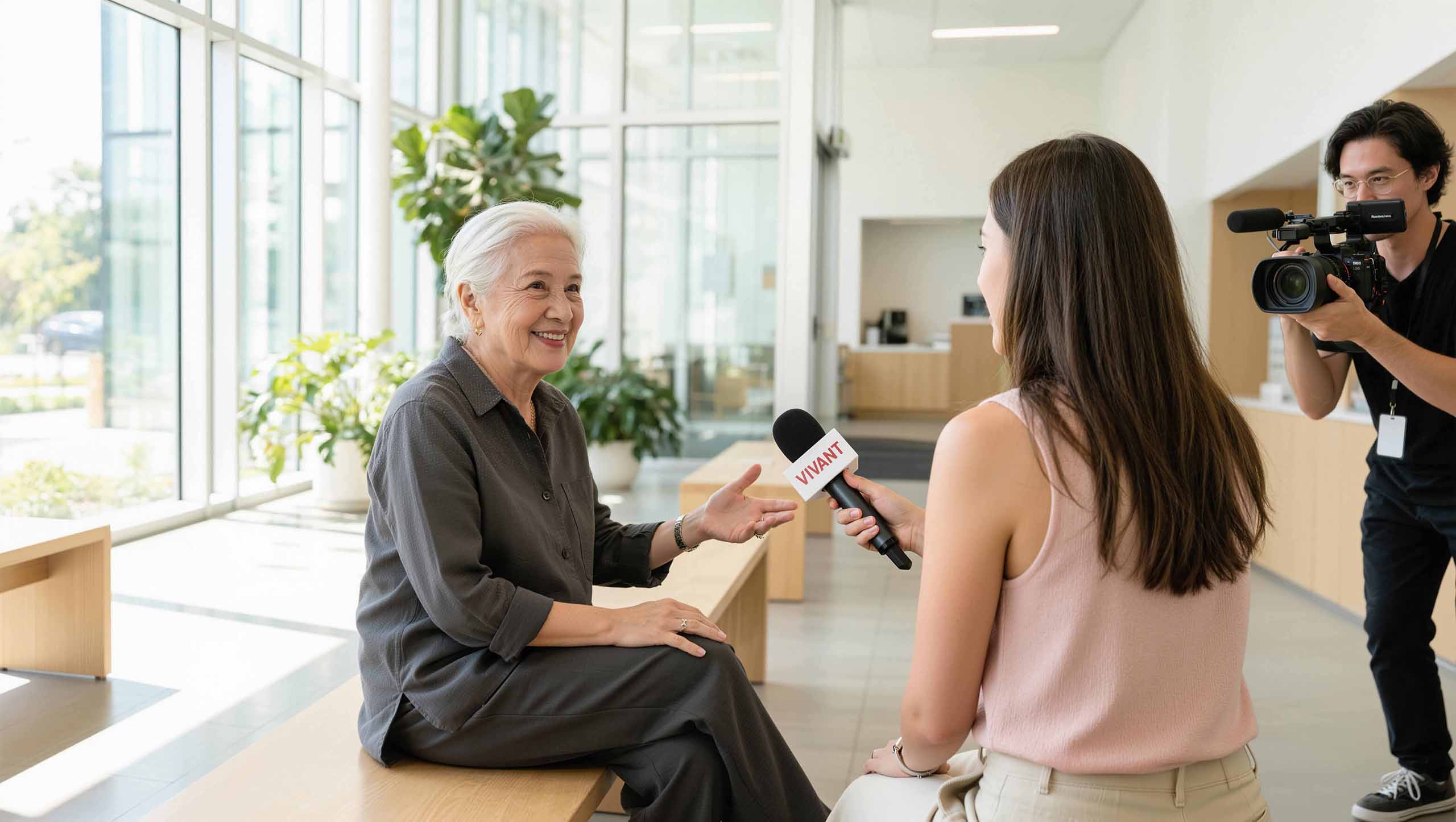
Core elements of category disruption
1. Social psychology insight
Deep understanding of true needs: from "being cared for" to "creating anew"
2. Category disruption
Completely escape "eldercare" positioning, reframe as "university-style lifestyle community"
3. Spatial narrative
Library and art workshops at the core; space tells the "re-creation" story
4. Identity reconstruction
Systematically reshape user identity perception, from naming to communication
The Heart of the Rebrand
VIVANT's success lies in:
1. Recognizing that "spiritual death" is seniors' greatest fear
2. Redefining "eldercare" as "life's new university"
3. Making "re-creation" visible, tangible, experiential through spatial design
This is the power of"Category-disrupting" brand positioning.