




Work 06 – Community Relations
Echoes of the Lane
Chengtou Xinyu: “Old Homes, New Life” Community Engagement
Through participatory community engagement and documentary storytelling, we helped a property developer shift from being seen as a “bulldozer of history” to a “guardian of memory,” turning potential opponents into co-creators of the project.
Project overview
Project overview
Client
Chengtou Xinyu
Focused on urban renewal
Property developer
Item
Echoes of the Lane
“XX Lane,” Shanghai’s old town
Revitalization
Approach
Community co-creation
Participatory community engagement
Communications strategy
Core PR Objectives
Shift perceptions
Reverse negative perceptions of the developer as a force behind “brutal demolition” and the “destruction of urban memory”
Build community trust
Build constructive dialog with local residents and community voices early in the development process
Create a landmark project
Create a benchmark for urban renewal that preserves local heritage
Challenge
Challenges & Insights
A sensitive context
Urban renewal projects, particularly those in historic neighborhoods, are highly sensitive and can easily provoke local resistance and negative media coverage.
Developers enter these conversations on the defensive, while conventional compensation negotiations often reach an impasse.
An emotional insight
In early research, the Qingmei Future team found that residents’ anger was about more than relocation. It was also about“the loss of cultural belonging.”。
They feared that old neighbors, traditional crafts, and local stories would disappear.
The Strategic Breakthrough
The opportunity was not to talk about compensation, but“Talk about preservation.”to show that the developer was a “guardian of memory,” not a “bulldozer of history.”
Communications strategy
Communications strategy
Participatory community engagement
We proposed“Preserve first, develop second.”a community engagement strategy built around inviting residents to help shape the future.
Qingmei Future developed a series of place-based arts initiatives, transforming a cold construction site into a community living room filled with memories.
We turned potential opponents into co-creators, making them storytellers rather than passive subjects of relocation.
Qingmei Future’s strength: social design
Social design
Designing community relationships
We design more than marketing centers. We design community relationships, using art, including co-creation workshops and oral history projects, to help mend emotional rifts.
Documentary aesthetics
Documentary aesthetics
We produced a high-quality documentary about the full renewal process, telling the story of “Old Homes, New Life” through a measured, respectful, and deeply human lens.
design concept
Through social design, we made PR a process of repairing relationships and design a medium for community dialog.
EXECUTION
Execution highlights
Campaign Centerpiece
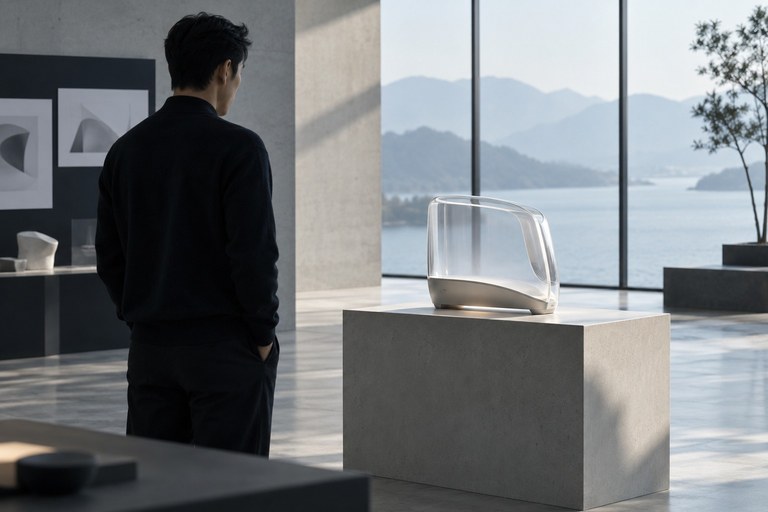
A museum of memory
“Memories of the Lane” Oral History Museum
At the project’s launch site, the Qingmei team transformed a preserved historic building into a temporary museum of memory.
Experience Design:
Rather than expensive artworks, the museum displayed objects collected from longtime residents, including old doorplates, photographs, and sewing machines.
The Qingmei team gave each object museum-quality lighting and interpretive design, alongside recordings of oral histories collected from former residents.
PR content
Documentary shorts
The Echoes of the Lane Documentary Series
The Qingmei team followed the project for six months, producing a series of short PR films.
Content strategy:
The protagonists were not architects or executives, but the last longtime residents, former neighbors returning to the area, and craftspeople restoring old brick walls.
With a restrained yet warm visual style, the films circulated widely in local media and community groups.
Communications Mix
Deep roots in the community
Local Media:Partner closely with Shanghai lifestyle and culture media, including WeChat publications, to showcase cultural preservation at "XX Li"
Community Influencers:Invite influential local "uncles" to explore the Memory Museum, rekindling shared memories among residents
Resident Co-creation:Host co-creation workshops that invite residents to help shape future community spaces
Results
Measurable outcomes
90%
Positive Coverage
Share of positive local media coverage, reflecting a successful shift toward cultural preservation
85%+
Resident Support
Understanding and support among original residents
Public Response
Shifting the Narrative
Successfully shifted the conversation from "demolition disputes" to "cultural preservation," avoiding the reputational risks often associated with urban regeneration
Community Asset
A Local Landmark
The Memory Museum became a local destination, building strong goodwill for future marketing initiatives
Brand Reputation
Setting the Standard
The project earned Chengtou Xinyu recognition as an "Urban Regeneration Contributor of the Year"
Key achievement
From "Bulldozer" to "Guardian"
Through participatory community engagement, we transformed residents' perception of the developer from a "bulldozer of history" into a "guardian of memory." A reputation for care and respect took root, creating a distinctive competitive advantage in urban regeneration.
Methodology
Our Approach
Community Engagement Principles
1. Preserve First, Develop Second:Earn trust first through actions that protect cultural memory
2. Put Residents at the Heart:Empower residents to tell their stories and help shape the project
3. Put Feelings Before Finances:Repair emotional rifts before discussing compensation
4. Commit to Ongoing Dialog:Stay involved, document progress and sustain an honest dialog
Social Design Methods
Place-based Art:Use art to transform a construction site into a shared community living room
Oral Histories:Make residents' voices part of the project
Documentary Aesthetics:Capture real stories through a warm, understated visual language
Co-creation Workshops:Invite residents into the design process to build a sense of ownership