


















PROJECT GUIDE / Brand Establishment and Evolution
When Should You Reassess Your Brand Positioning?
As your business and customers change, reassess how well your brand promise reflects reality.
Define the Task First
Revisit the alignment between brand promise and reality when business and customers shift. At project outset, review current materials and typical use cases together to identify where problems occur, who they affect, and which existing content should be retained.
When brand positioning needs reconsideration requires aligning work scope with actual business needs, audience, and delivery requirements. Below are discussion and organization methods.
Three Stages of Work
Change Inventory
Document new customer segments, competitive choices, and sales feedback; identify where original positioning still holds and where it falls short.
Basis for Choice
Discuss customer needs, enterprise capabilities, and competitive differentiation separately; find expressions where all three reinforce each other.
Verification Approach
Test positioning language through customer interviews and actual proposals; then confirm brand story and design direction.
What to Prepare Before We Talk
- Business structure, product lines, and future direction
- Existing brand materials and most-used touchpoints
- Customer interviews, sales feedback, and major competing brands
Representative samples are a good place to start. Past versions, real-world photos and typical feedback illustrate the problem better than style references alone; any missing information can be gathered during project discussions.
How We Discuss and Review
- Direction: Can one sentence explain why customers choose you?
- System: Are relationships between group, business units, and products clear?
- Application: Can sales, digital channels, and on-site teams use the same expression?
Replacing positioning with grand statements weakens decision-making basis.
Each review round records confirmed directions, required changes and who owns them. Before moving to the next phase, we clarify which materials the changes affect, so strategy, design and implementation stay connected.
Deliverables to Discuss
Positioning checklist, audience and competitive relationship map, direction, and verification outline.
Specific quantities, content depth, production scope and timing are determined by project materials and usage conditions. At delivery, we also record file versions, usage instructions and ongoing maintenance responsibilities.
Related Work and Capabilities
The links below draw on existing project materials on this site, making it easy to compare related design expression and applications.
Bank of China Visual Identity Upgrade
Finance & Insurance
Read More
Quanjude Group
Food & Beverage
Read More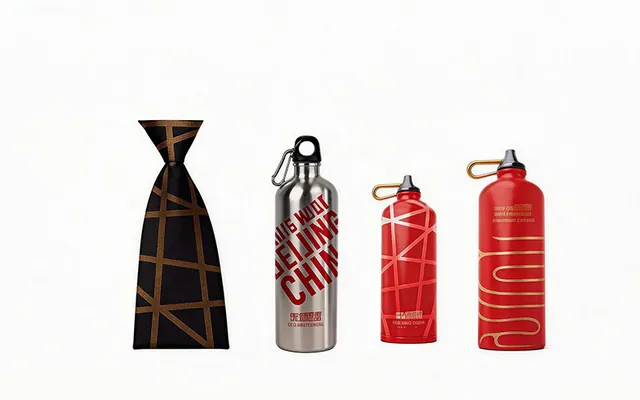
National Stadium (Bird’s Nest) Souvenir Brand Identity
Government & Public Institutions · Sports
Read More
China Science and Technology Museum
Government and Public Institutions
Read More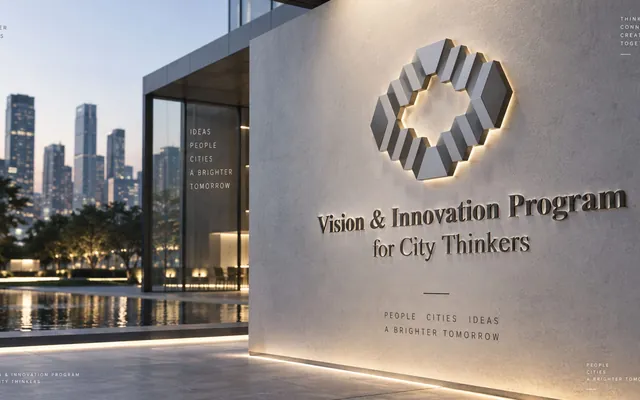
Vision & Innovation Program | Urban Innovation Initiative Logo Design
Government and Public Institutions
Read More
WORLD EXPO MUSEUM | Logo Design
Culture & Media
Read MoreCONTINUE READING Further Reading
Find your next step, starting with the question at hand.
When you get in touch about a project, it helps to share your business context, existing materials, primary use scenarios and the problems you want to solve. We'll use this to discuss scope and how we might work together.
Communicate project requirements ↗