
How sustainable design becomes brand value
The value of sustainable packaging goes beyond environmental benefit. It lies in turning that benefit into brand affinity and consumer preference.

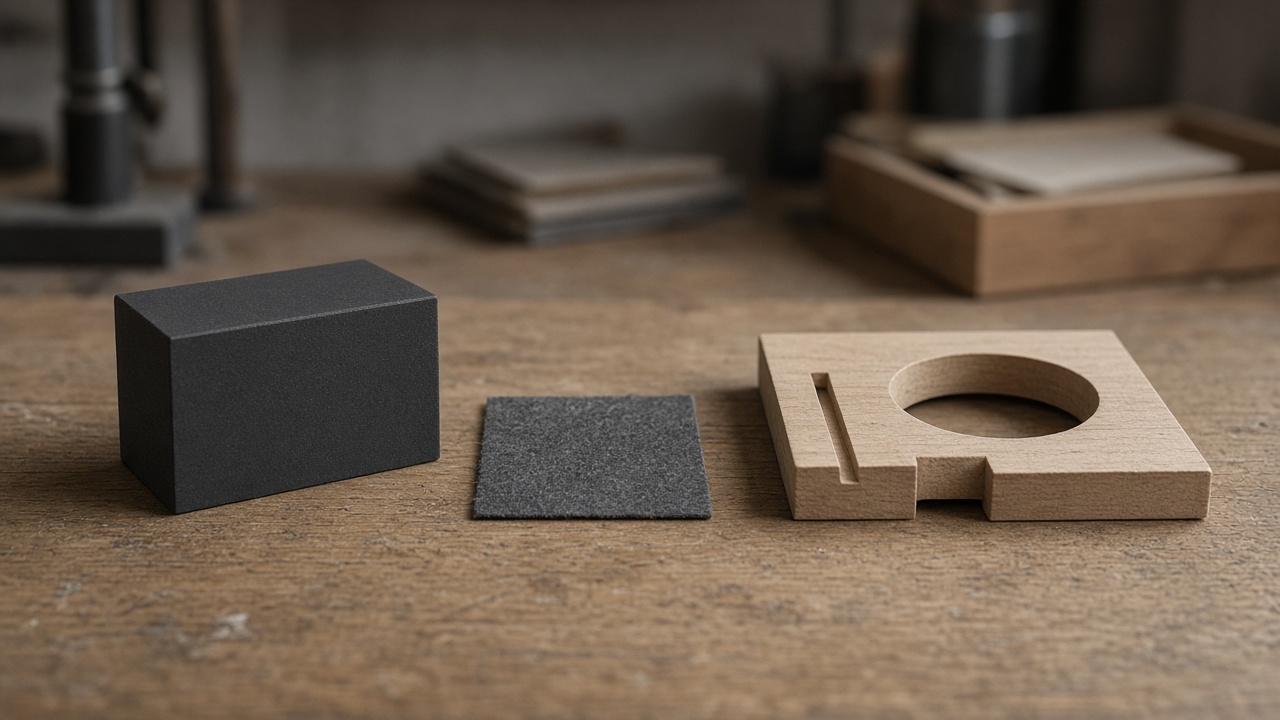
Industrial design for smart hardware is not pure form-making but finding the balance between aesthetic form, interaction logic, and manufacturing constraints. Design decisions must simultaneously consider structural feasibility, cost control, and supply chain realities, translating creativity into products that can scale.
Industrial design for smart devices faces three layers of constraints. The first is form. A product's appearance must reflect the brand's character, its use context and the aesthetic expectations of its intended users. Designing form means finding the best solution within defined parameters. The second is interaction. Once a device's physical interface is set, it is difficult to change: button counts, screen sizes and port locations all need to be resolved during design. Software can be updated; a device's physical form cannot be changed in the same way.
The third constraint is production. The design must be manufacturable at scale, with costs that fit the target price range. In our projects, we have seen many designs perform well as prototypes, only to encounter excessive tooling costs, unreliable yields or inadequate supply chain support when production begins. The key is to address all three constraints together. Structural feasibility should inform form development, cost implications should inform interaction design, and design for production should preserve the product's brand recognition.
Industrial design constraints provide the parameters needed to turn creative ideas into products.
Form development begins by defining the product's overall silhouette and proportions. The silhouette makes the product visually distinctive; its proportions affect how comfortably it can be held or positioned. Smart device design must account for the experience of using a product as well as its appearance at rest. Portable devices require careful assessment of grip and weight distribution. Desktop devices require attention to stability and viewing angles. Form should be grounded in real use, rather than judged through renderings alone.
The next step is to develop the form alongside the internal structure. Circuit board layout, battery placement, heat dissipation paths and antenna clearance zones all influence the exterior. A common mistake is to finish the exterior first and fit the components inside afterward, resulting in an overly thick enclosure or poor heat dissipation. Industrial designers and mechanical engineers should work in parallel, refining the balance between form and function through successive iterations. Material choices also have structural implications: metal enclosures affect wireless signals, plastic affects perceived quality, and glass increases vulnerability to drops. Choosing a material requires a combined assessment of aesthetics, function and cost.
Form, interaction and production must develop in parallel. Decisions at one level shape implementation at the next, while practical constraints feed back into earlier choices. Coordinating all three turns a design into a product that can be manufactured at scale.
Silhouette, proportions, materials and brand recognition. Develop these alongside internal structure, thermal management and antenna requirements to balance appearance with function.
Button layout, screen size, port placement and operating logic. Physical interfaces are difficult to change once set, so user validation must happen at the prototype stage.
Tooling and manufacturing processes, cost control, supply chain choices and reliability testing. These determine whether the design can be produced at scale with consistent quality.
Note: This diagram is a conceptual framework. It explains a way of thinking and is not statistical data. Source: Qingmei Future Insights.
Interaction design for smart devices covers both physical and digital interfaces. Physical interfaces include buttons, dials, touchscreens and ports; digital interfaces are the software interfaces displayed on screen. Physical interfaces present a greater design challenge because software updates cannot alter them once they are set. Adding or removing buttons, or relocating a port, requires new tooling. In practice, we have seen many products reach user testing only to reveal problems with button layouts that can no longer be changed.
Interaction design must balance functional breadth with ease of use. More features may call for more buttons or a larger screen, but they also increase the learning effort. Physical controls should be allocated according to frequency of use: frequent actions deserve dedicated buttons, while less frequent actions can sit within menus. Port placement must reflect how the product is used. Charging ports should allow use while charging, and data ports should be easy to connect. Validate these decisions at the prototype stage through testing with real users.
Design for production turns a prototype into a product that can be manufactured at scale. Prototypes can be made through model-making processes or small trial runs; volume production requires processes such as injection molding, stamping and die casting. Process choices directly affect cost and quality. Injection molding requires expensive tooling but delivers low unit costs, making it suitable for large volumes. Prototype fabrication has lower setup costs but higher unit costs, making it suitable for small runs or customized products. Choose processes according to expected sales volumes and cost targets.
Design for production must also account for supply chain realities. Specialized materials or processes may be available from only a handful of suppliers, leaving the entire production schedule exposed if one runs into trouble. We have seen designs depend on a supplier's proprietary process, only to face delays when that supplier lacked sufficient capacity. Prioritize established processes and multiple sources of supply to reduce risk. Complete drop, ingress protection and environmental testing during design validation to confirm reliability under real conditions. Rework after production begins costs far more than adjustments made during design.
Industrial design for smart devices requires collaboration across disciplines. Industrial designers lead form and interaction; mechanical engineers handle internal layout and reliability; electronics engineers address circuitry and performance; and supply chain teams assess cost and manufacturing feasibility. These teams need to work in parallel. Establish multidisciplinary reviews early, assessing every proposal against four dimensions: form, structure, cost and supply chain.
Collaborative design needs a shared language. Designers' visual concepts must translate into engineering drawings, and engineering constraints must translate into design parameters. In our practice, we use 3D models as a shared medium: designers refine the exterior while engineers validate the structure within the same model. This gives every discipline a common basis for collaboration. Teams also need to stay in step, avoiding situations where the design is complete while structural feasibility is still under review. Smart device development takes time, and trial and error is costly. Collaboration brings problems to light early and reduces the risk of later rework.
Bring industrial design, mechanical engineering, electronics engineering and supply chain teams into joint reviews from the outset. Assess every proposal against form, structure, cost and supply chain to reduce the rework caused by sequential handoffs.
Build functional prototypes as well as appearance models. Test them with real users to validate button layouts, grip and port placement. Physical interfaces cost far more to change than digital ones, so resolve them before volume production.
Use a shared 3D model for communication across disciplines. Designers refine the exterior, engineers validate the structure, and supply chain teams assess manufacturing feasibility within the model. Keep it synchronized in real time.
Engage potential suppliers during design to confirm the availability of materials, processes and capacity. Favor established processes and multiple sources of supply to reduce the production risks of relying on a single supplier.
The value of sustainable packaging goes beyond environmental benefit. It lies in turning that benefit into brand affinity and consumer preference.
AI challenges traditional top-down brand control. The response is systems thinking: a modular architecture that lets brand elements respond independently within a coherent framework.
The challenge for technology brands is not the technology itself, but translating its complexity into value their audiences can understand.