Sustainable packaging has evolved from corporate social responsibility to a brand differentiation tool. The key is not using eco-friendly materials per se but translating sustainability principles into brand value that consumers can perceive, forming a complete closed loop across design, communication, and experience.
01The perception problem with sustainable packaging
Many companies view sustainable packaging as a cost burden or compliance requirement, not a brand opportunity. After adopting eco-materials, they either say nothing or issue stiff technical explanations with certifications. When consumers face labels like 'biodegradable,' 'recyclable,' or 'carbon-neutral,' they rarely form clear understanding, much less purchase motivation. Sustainability stays abstract, never becoming perceptible brand value.
A deeper problem: sustainable design and product experience are disconnected. Some companies sacrifice packaging quality for environmental goals, linking sustainability to cheapness in consumers' minds; others treat it as an add-on feature, severed from core brand identity. When sustainability can't embed into product experience and brand narrative, it's just an isolated label—no lasting brand asset.
The value of sustainable packaging isn't in environmental labels. It's in letting consumers sense the brand's values through use.
02Designing perceptible sustainability
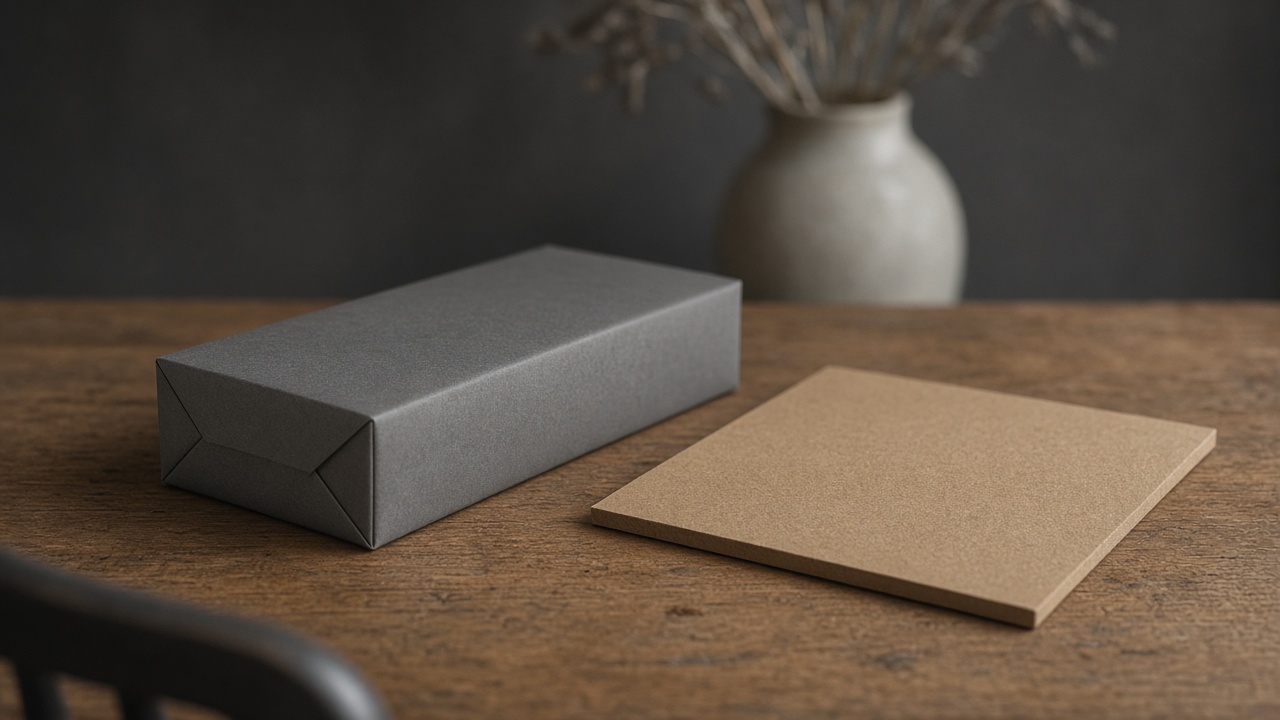
Effective sustainable packaging design makes consumers feel environmental thinking through touching, unboxing, and using. This isn't communicated through text—it's realized through material choice, structural design, and visual language. Unbleached pulp paper, visible fiber texture, minimal structure: these design languages themselves convey sustainability values. Consumers understand the brand's environmental stance without reading anything.
Perception also lives in the user experience. Second-life packaging design, modular structures that disassemble easily, clear recycling guidance—all reinforce the sustainable experience. In our projects, we design packaging so users know what to do with materials after unboxing, how to make reuse or recycling feel natural. When sustainability embeds in the usage flow rather than stopping at purchase moment, it becomes part of brand memory.
03Merging sustainability and brand aesthetics
Sustainable packaging often faces aesthetic challenges: eco-materials have limited color and texture options; simplified structures can reduce visual impact; reduced printing complexity might weaken brand recognition. But these constraints are also opportunities. When designers treat sustainability as a creative constraint rather than external requirement, unique aesthetic language emerges.
This aesthetic emphasizes material authenticity, structural purity, and visual restraint. It doesn't hide material color, doesn't lean on excess decoration, doesn't chase visual complexity—instead, it forms differentiated brand character. We see in practice that successful sustainable packaging isn't compromise between environmental and aesthetic; it integrates both into unified design logic. This integration makes sustainability part of brand aesthetics, not an add-on label.
Framework
The value matrix of sustainable packaging
Distinguish sustainable packaging strategies by environmental visibility and brand integration. The most effective approach merges sustainability into brand experience.
Note: This diagram is a conceptual framework. It explains a way of thinking and is not statistical data. Source: Qingmei Future Insights.
04Communication strategy for sustainable narrative
Sustainability needs to become part of the brand story, rather than a standalone environmental message. That story should connect sustainability with the brand's values and product philosophy. Why this material? Why this structure? What thinking informed these decisions? The answers give the brand a story that helps consumers see sustainable choices as a natural expression of its identity, rather than a passing trend.
Communication should reveal the thinking and trade-offs behind each choice, without lecturing or self-congratulation. Consumers have grown skeptical of environmental claims, but they still recognize an authentic point of view. In our projects, we encourage companies to share their sustainable design process, including the challenges and solutions. This honesty is more persuasive than a flawless green image. A sustainability story should make consumers feel that the brand shares their concerns and is working alongside them to address environmental challenges.
05From packaging to complete experience
The value of sustainability extends beyond packaging to the entire experience: the product, packaging, communication, use and recycling. Does the product support durability and repair? Does brand communication use sustainable channels and methods? Do instructions encourage responsible consumption? Consistency across these touchpoints determines how credible the brand's commitment is.
A complete experience requires a systems approach. In our projects, we help companies map the full lifecycle, from raw material sourcing to disposal, and identify opportunities for sustainability at every stage. The aim is to balance commercial viability with environmental responsibility, rather than pursue a perfect zero-carbon footprint. Companies that clearly explain both their practices and their limitations can earn greater consumer trust and affinity.
06Business logic of sustainable design
The commercial value of sustainable packaging lies in distinctive positioning and attracting the right audience. In markets where products look increasingly alike, sustainability becomes a recognizable brand signal that draws consumers with shared values. These consumers often show stronger loyalty and a greater willingness to pay a premium. They are buying both the product and the lifestyle and values it represents.
Over time, sustainable design reduces material costs, supply chain risks and compliance pressures. Simpler packaging structures cut storage and logistics costs. Standardized sustainable materials simplify procurement. Forward-looking environmental practices reduce the need for reactive changes when regulations evolve. In our projects, brands that make sustainability central to their strategy often show clear advantages in cost and brand strength within three to five years. Sustainable design is an investment.
Recommended actions
Action 01
Review the Full Lifecycle
Map the product journey from raw materials to disposal. Identify sustainability opportunities and cost trade-offs at each stage, then develop a phased implementation plan.
Action 02
Make Sustainability Tangible
Use materials, structure and visual language to make sustainability evident through touch and use, beyond written claims or certification marks.
Action 03
Build a Sustainability Story
Connect environmental choices with the brand's values and product philosophy. Explain the design decisions, challenges and trade-offs to communicate an honest commitment.
Action 04
Connect Packaging and Product Experience
Carry sustainability through product design, packaging structure, communication and user guidance, so sustainable packaging is supported by a consistent overall experience.
Smart hardware design must balance aesthetics, interaction and mass production. Decisions about form should account for engineering, cost and the supply chain from the outset, turning ideas into products that can be made at scale.
AI marketing needs to shift from project-based work to engine-style operations. Establish input and output workflows, a content asset library and quality standards to create a collaborative loop of continuous output.