

















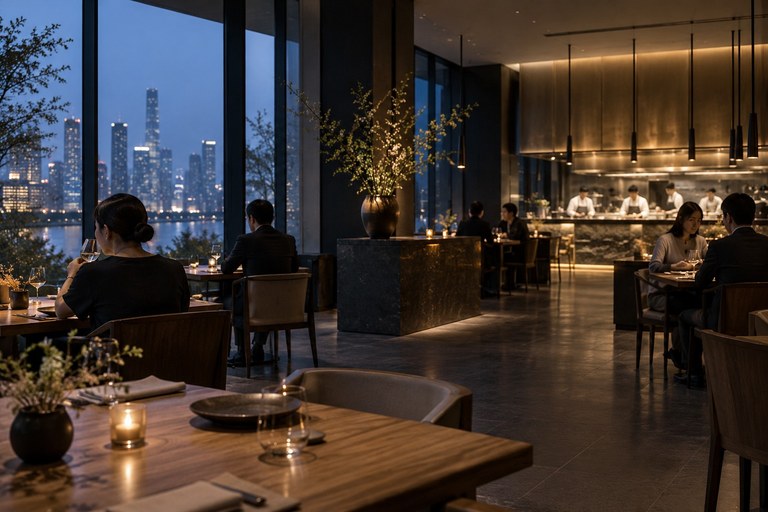
PERSPECTIVES / Space and Service Experience
Service Handoffs Need a Shared Information Language
Digital content, on-site signage and staff guidance should work together.
Research Notes
Online content, on-site prompts, and staff explanation should connect seamlessly. This article explores the relationship between content, design, and use, offering a judgment framework applicable to project discussions.
Translate commitments into checklists.
Timeline, location, participation requirements, and service scope should have one shared version. All touchpoints derive from a single reference, reducing information gaps.
Observe real handoffs.
Customers need clear prompts from reservation through arrival, from wait through service, from inquiry through follow-up. Observe the full path to locate missing content and unclear responsibility.
Treat feedback as team process.
On-site questions and content updates should enter the same process. Assign responsibility for revisions so discoveries during service shape future experience.
Bringing it into project discussions
- Arrival: Can first-time visitors confirm their location?
- Navigation: Is guidance continuous and clear at key decision points?
- Maintenance: Can names, events, and temporary changes be updated promptly?
Bring these questions to real materials and use cases, recording the current version, the rationale for changes and feedback from use. When every adjustment has a clear basis, the team can keep applying these judgments in future work.
Reader's Note
This article presents design methods and project observations written by Qingmei Future for its website. The project links below are provided for reference to existing work and application materials. The methods suggested here do not imply that all listed projects followed the same process, nor do they constitute project outcome data.
Related Work and Capabilities
The links below draw on existing project materials on this site, making it easy to compare related design expression and applications.
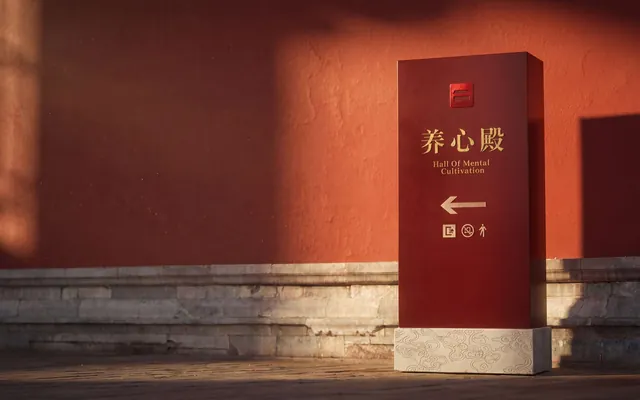
The Palace Museum
Culture & Media
Read More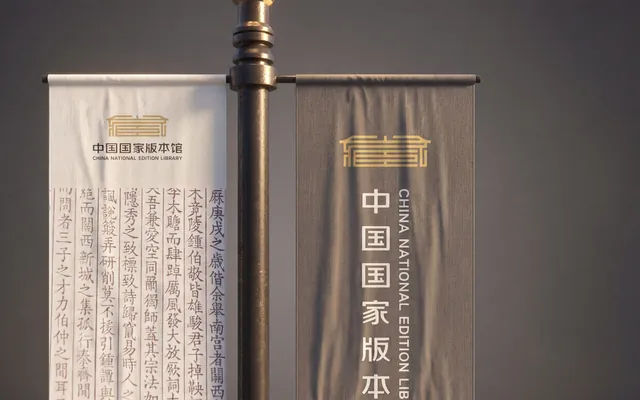
China National Archives of Publications and Culture
Culture & Media
Read More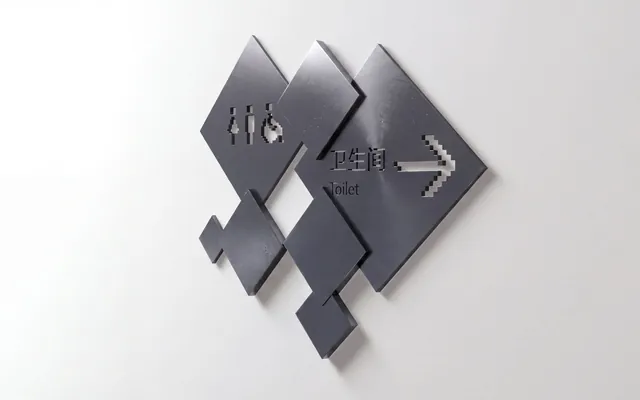
Beijing Science Center Wayfinding System Planning and Design
Government and Public Institutions
Read More
accenture
Services
Read More
Poly Group
Real Estate & Commercial Spaces
Read More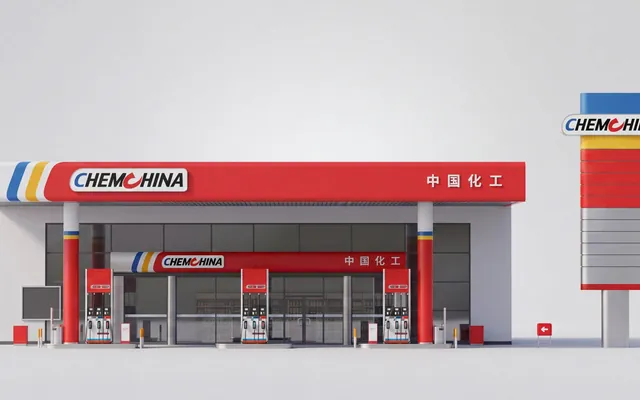
Sinochem Group
Energy & Chemicals
Read MoreCONTINUE READING Further Reading
Find your next step, starting with the question at hand.
When you get in touch about a project, it helps to share your business context, existing materials, primary use scenarios and the problems you want to solve. We'll use this to discuss scope and how we might work together.
Communicate project requirements ↗