


















PROJECT GUIDE / Digital & AI Content
How can interactive experiences support communication goals?
Define what participants should take from the experience before choosing how they interact.
Define the Task First
Define the experience participants should have before choosing how they will interact. Start by reviewing existing materials alongside typical use scenarios to establish where problems occur, who they affect and which content needs to remain in use.
The scope of an interactive experience project depends on the business, its audiences and delivery requirements. The following offers a framework for discussion and planning.
Three Stages of Work
Participant Objectives
Define who will participate, what motivates them and what they should understand afterward, going beyond equipment and formats.
Experience Flow
Plan five stages—arrival, orientation, interaction, feedback and departure—with clear guidance at each stage.
Content Connections
Align interactive content, on-site explanations and follow-up communications around the same core messages, and assign responsibility for content outputs and maintenance.
What to Prepare Before We Talk
- Business goals, target users and main channels
- Brand guidelines, approved assets and product facts
- Content owners, reviewers and publishing permissions
Representative samples are a good place to start. Past versions, real-world photos and typical feedback illustrate the problem better than style references alone; any missing information can be gathered during project discussions.
How We Discuss and Review
- Input: Are the brief, audience and must-be-accurate information complete?
- Review: Have content and visuals passed both fact and brand checks?
- Application: Does it work on real devices, channel formats and user journeys?
Without a clear task, complex interactions can leave participants experimenting without reaching a meaningful outcome.
Each review round records confirmed directions, required changes and who owns them. Before moving to the next phase, we clarify which materials the changes affect, so strategy, design and implementation stay connected.
Deliverables to Discuss
Participant journey, content scripts, interface prototypes and on-site operating guidance.
Specific quantities, content depth, production scope and timing are determined by project materials and usage conditions. At delivery, we also record file versions, usage instructions and ongoing maintenance responsibilities.
Related Work and Capabilities
The links below draw on existing project materials on this site, making it easy to compare related design expression and applications.
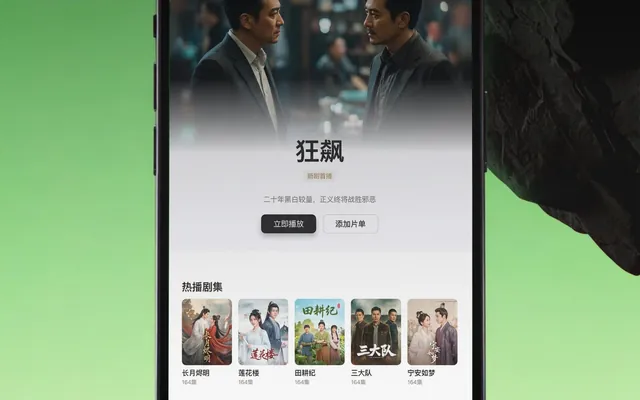
iQiyi
Technology & Telecommunications · Culture & Media
Read More
Design-Driven IMC
Services
Read More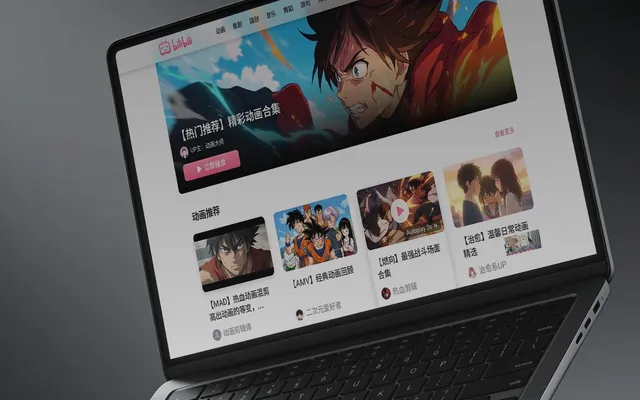
Bilibili
Culture & Media
Read More
Pinduoduo
Retail & E-commerce
Read More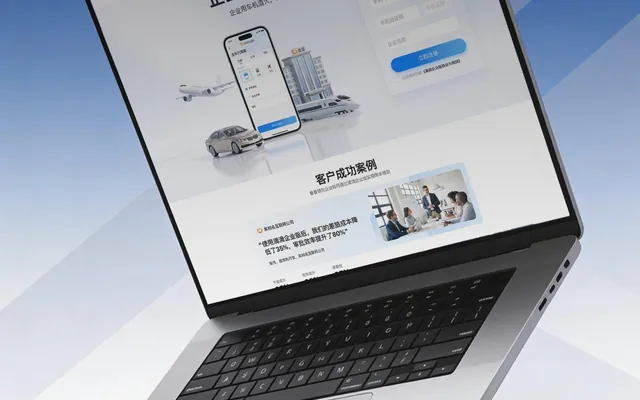
Didi Enterprise Edition
Automotive & Mobility
Read More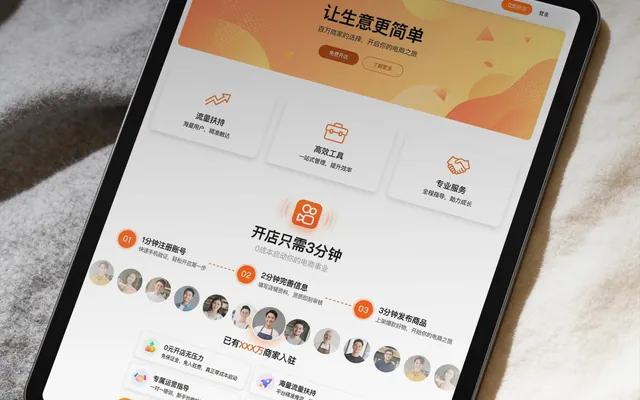
Kuaishou store
Retail & E-commerce
Read MoreCONTINUE READING Further Reading
Find your next step, starting with the question at hand.
When you get in touch about a project, it helps to share your business context, existing materials, primary use scenarios and the problems you want to solve. We'll use this to discuss scope and how we might work together.
Communicate project requirements ↗