


















PROJECT GUIDE / International & cross-cultural expression
What brand materials does an international trade show need?
Create a set of materials for quick understanding, deeper conversations and follow-up contact.
Define the Task First
Build a set of materials that supports quick understanding, deeper conversations and follow-up contact. Start by reviewing existing materials alongside typical use scenarios to establish where problems occur, who they affect and which content needs to remain in use.
The scope of brand materials for an international trade show depends on the business, its audiences and delivery requirements. The following offers a framework for discussion and planning.
Three Stages of Work
Engagement Journey
Distinguish between recognition from a distance, browsing up close and business discussions, assigning the right level of information to each.
Material Mix
Align the stand, product sheets, presentations and downloadable materials around core messages, with clear routes to more detailed information.
On-site Delivery
Confirm production dimensions, file formats, language review and local contact details, and prepare editable modules for last-minute updates.
What to Prepare Before We Talk
- Target markets, working languages, and local business context
- Brand names, terminology, and releasable company facts
- Local approval contacts, production methods, and delivery formats
Representative samples are a good place to start. Past versions, real-world photos and typical feedback illustrate the problem better than style references alone; any missing information can be gathered during project discussions.
How We Discuss and Review
- Language: Are names, terminology, tone, and number formats consistent?
- Context: Can readers understand the product, company, and partnership approach?
- Delivery: Are typefaces, images, files, and update methods suited to local use?
Once a stand attracts attention, visitors still need a complete product explanation and a clear way to get in touch.
Each review round records confirmed directions, required changes and who owns them. Before moving to the next phase, we clarify which materials the changes affect, so strategy, design and implementation stay connected.
Deliverables to Discuss
Display information hierarchy, collateral list, presentation structure and on-site files.
Specific quantities, content depth, production scope and timing are determined by project materials and usage conditions. At delivery, we also record file versions, usage instructions and ongoing maintenance responsibilities.
Related Work and Capabilities
The links below draw on existing project materials on this site, making it easy to compare related design expression and applications.
Bank of China Visual Identity Upgrade
Finance & Insurance
Read More
Quanjude Group
Food & Beverage
Read More
National Stadium (Bird’s Nest) Souvenir Brand Identity
Government & Public Institutions · Sports
Read More
China Science and Technology Museum
Government and Public Institutions
Read More
Vision & Innovation Program | Urban Innovation Initiative Logo Design
Government and Public Institutions
Read More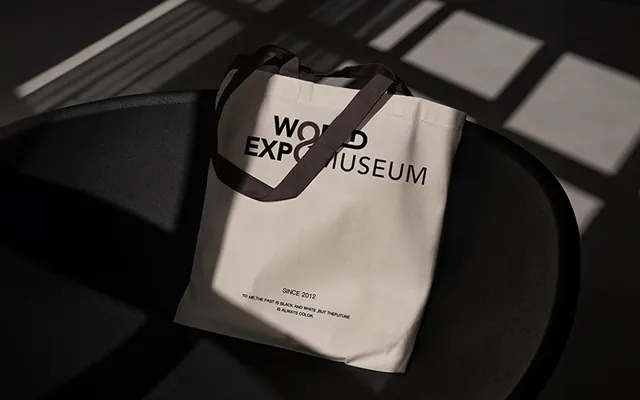
WORLD EXPO MUSEUM | Logo Design
Culture & Media
Read MoreCONTINUE READING Further Reading
Find your next step, starting with the question at hand.
When you get in touch about a project, it helps to share your business context, existing materials, primary use scenarios and the problems you want to solve. We'll use this to discuss scope and how we might work together.
Communicate project requirements ↗