

















ARTIFICIAL INTELLIGENCE Artificial Intelligence
Artificial Intelligence,
Making the Value of Technology Visible.
For AI companies, research institutions and innovation platforms, we bring together strategic research, brand design, product and interaction design, exhibition spaces and communications—connecting technical explanation with tangible experience.
Strategic Research · Brand Design · Products & Interaction · Spaces & Content
OUR PERSPECTIVE / Industry & Design
Integrated Design Expertise,
For Interconnected Challenges.
An AI project brings together questions of technology, brand, product and use. Model platforms need to explain their capabilities and conditions of use. Robots require coordination between physical form, interfaces and human interaction. Research institutions need to organize their findings and engage the public. Qingmei Future starts with the practical needs of businesses and products, bringing different disciplines into a shared project framework.
Strategic research helps define audiences and relationships between products; visual design establishes identity; industrial and interaction design address devices and their operation; and digital, spatial and communication design bring content into the settings where people encounter it. Each discipline works from shared information and design principles to create connected outcomes. A project can begin with brand foundations, a single product or a set of priority touchpoints.
How can a technical team’s capabilities become products people can understand and use?
Within One Project,
Disciplines Working Together
In a robotics project, brand positioning defines who the product serves and the tasks it addresses. Industrial design explores form, materials and physical interaction. Interaction design organizes inputs, states and feedback. Visual design connects identity with the product family. Spatial and communication design shape demonstrations, exhibits and specialist materials. Collaboration begins with a shared understanding of the product and takes shape in devices, interfaces, materials and on-site experiences.
AREAS OF WORK / Our Practice
Bringing Disciplines Together Around Industry Needs.
Translate business, product and user challenges into focused research questions, design briefs and practical applications.
Model and Algorithm Platforms
Structure company profiles, product hierarchies, feature descriptions and use cases around the platform’s audiences, capabilities and access methods. Present research, procurement and user information at appropriate levels so readers can understand the problems the platform addresses, the conditions it requires and how to engage—creating a product information framework that can evolve over time.
Explore Relevant CapabilitiesEmbodied AI and Robotics
Connect a robot’s physical form, interface, operating environment and brand identity through a study of how people interact with the device. Design may encompass product appearance, status information, operating guidance, demonstration settings and presentation materials. The client team confirms functions, operating conditions and technical performance, grounding the design in the actual user experience.
Explore Relevant CapabilitiesSmart Hardware and Devices
Develop a coherent design language across devices, accessories, packaging, instructions and digital interfaces. Consider form, materials, color, information graphics and the sequence from unboxing to use, creating a recognizable brand across models and channels. Test design feasibility through prototypes and usage scenarios.
Explore Relevant CapabilitiesEnterprise AI Applications
Organize access points, feature explanations, system feedback and help content around the tasks of different roles within an organization. Translate complex workflows into clear interfaces and explanatory materials, distinguishing first-time use, ongoing operation and administration. Give product teams experience prototypes they can discuss and validate.
Explore Relevant CapabilitiesResearch Institutions and Innovation Platforms
Clarify institutional positioning, research priorities, the structure of research outputs and public engagement needs, coordinating identity, research showcases, academic events and digital portals. Design makes sources and information hierarchies clear, preserving the depth of research while making it accessible to partner institutions, the public and readers from different disciplines.
Explore Relevant CapabilitiesIndustry Exhibitions and Project Presentations
Build a narrative from challenge and method to application for exhibitions, launches, industry partnerships and project presentations. Bring together spatial design, diagrams, film and interactive demonstrations, clearly defining the relationship between product displays and design concepts. Develop versions of the materials for different venues and audiences.
Explore Relevant Capabilities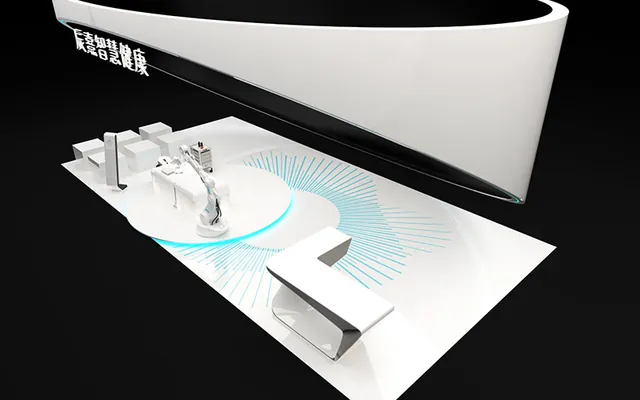
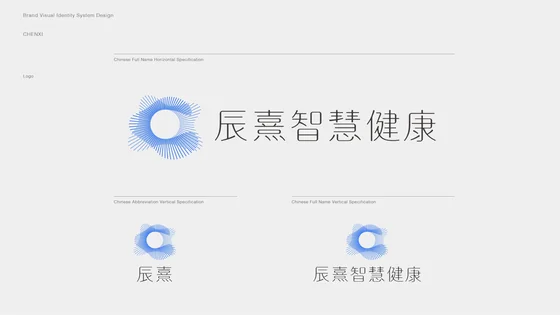
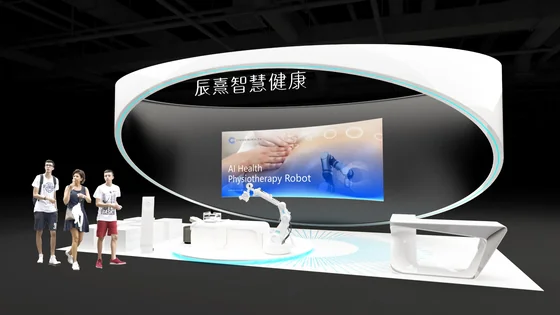
Chenxi Robotics · Enterprise Brand Identity
Brand identity project in the robotics sector. View the logo and application examples.
Explore Related Work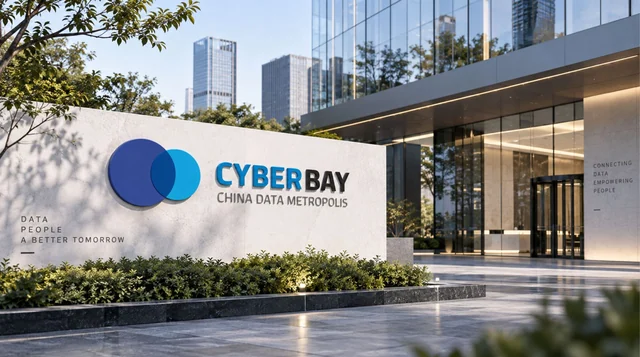
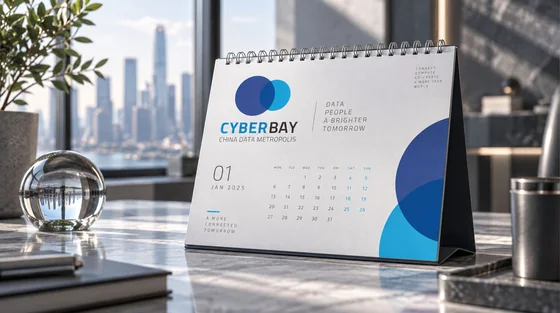
CYBERBAY China Data Bay · Brand Logo and Visual Identity
Explore the brand logo, visual language, and related project materials.
Explore Related WorkSELECTED PROJECTS / Work
Understand how design translates into application through our projects.
Read brand identity, professional materials, digital, and spatial projects within a shared industry context.
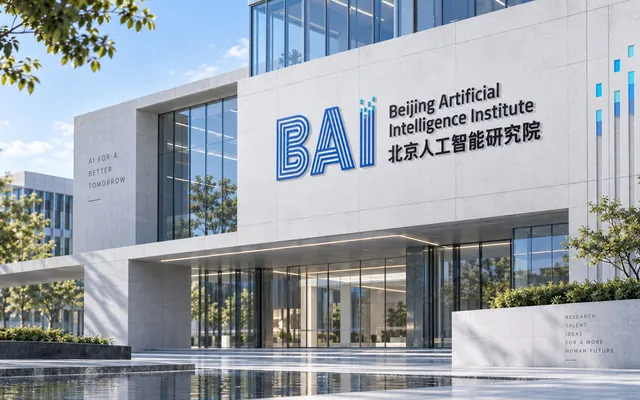
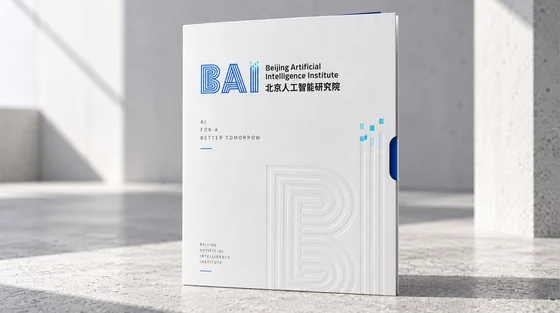
Beijing Academy of Artificial Intelligence
Institutional Logo and Identity System
From institutional logo to typical applications, explore the visual identity of research institutions.
View project material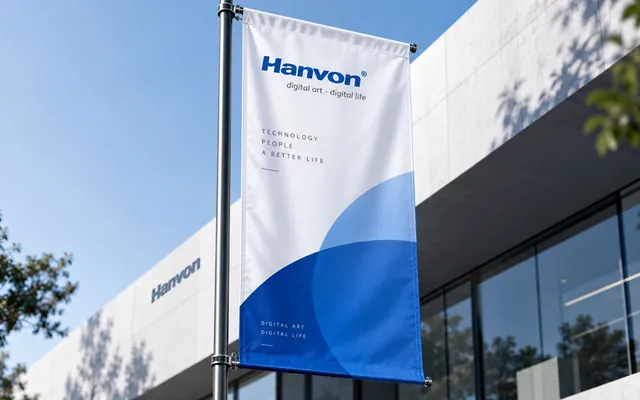
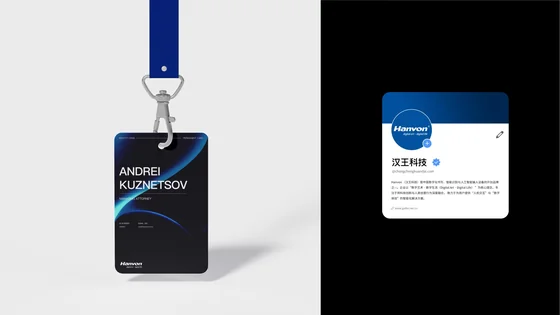
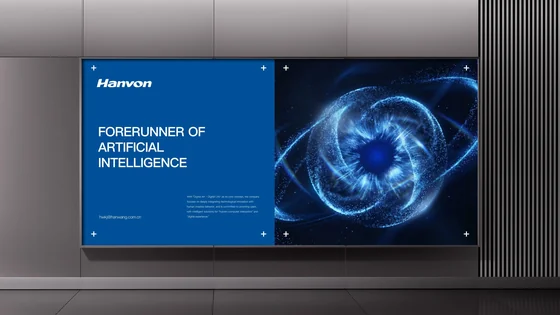
Hanvon Technology
Brand Identity System
Learn how corporate identity is structured across brand and application materials.
View project material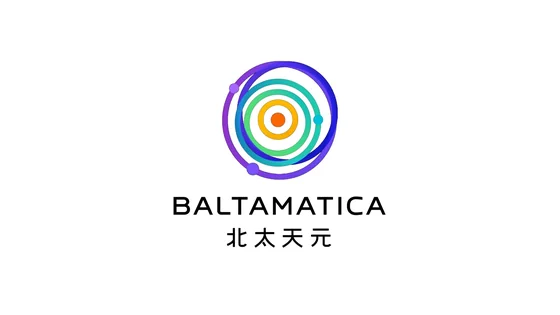
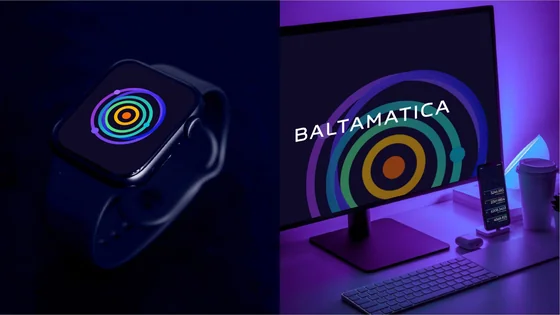
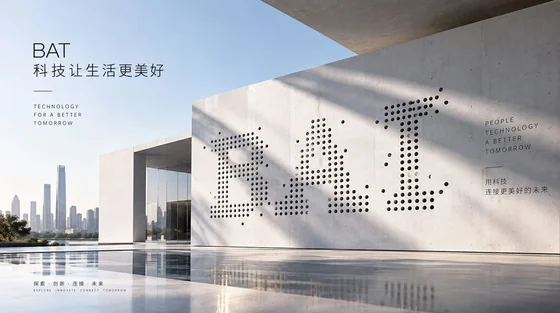
BALTAMATICA
Brand Logo Design
Discover how technology enterprises develop distinctive identity through logo and application design.
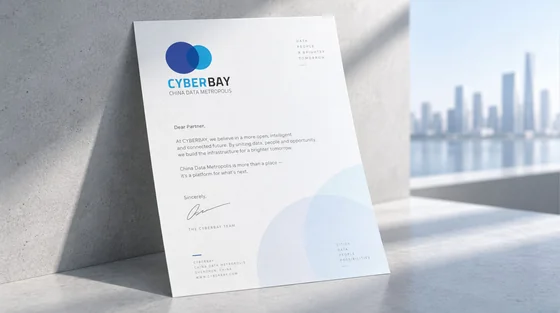
View project materialCYBERBAY China Data Bay
Brand Logo and Visual Identity
Explore the brand logo, visual language, and related project materials.
View project materialImages sourced from existing project materials on this site, representing the corresponding design categories. For detailed content and project scope, visit the project page.
INTEGRATED CAPABILITIES / Capabilities
Interdisciplinary expertise spanning strategy through touchpoint design.
Brand, product, digital, spatial, and communications work within a unified framework, creating interconnected design outcomes.
01Strategy and Research
We begin by mapping relationships between technology, product, and business. Through research, team interviews, and consensus workshops, we identify key users, application scenarios, value propositions, and brand architecture. Research findings guide product naming, corporate narrative, and touchpoint priorities, giving research, product, and brand teams a shared foundation for expression.
Main deliverables User and Scenario Research | Value Proposition | Corporate and Product Architecture
02Visual Communication Design
We establish identity relationships across enterprise, platform, and product, organizing logo, typography, color, graphics, and technical iconography. Identity rules extend to websites, devices, professional documentation, and presentation materials, validated through typical applications to ensure product recognition, connection, and continuous evolution.
Main deliverables Logo and Visual Standards | Technical Iconography | Product and Documentation Visual Guidelines
03Product & Industrial Design
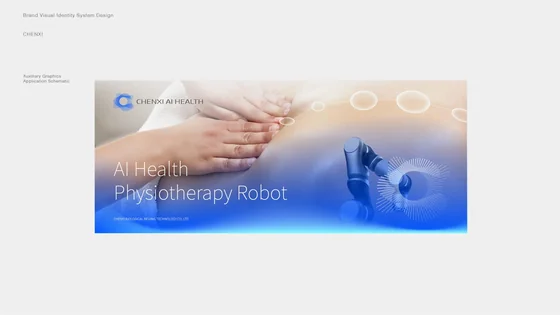
We research product form, material color, information marking, and use contexts for robots, smart devices, and endpoints. Product design advances alongside brand identity and interface language, discussing human-device interaction through prototypes and samples while coordinating with R&D teams on structure, manufacturing, and real-world conditions.
Main deliverables Product Concept | Form and Color, Material, Finish | Device Identity and Product Family
04Digital and Interaction Design
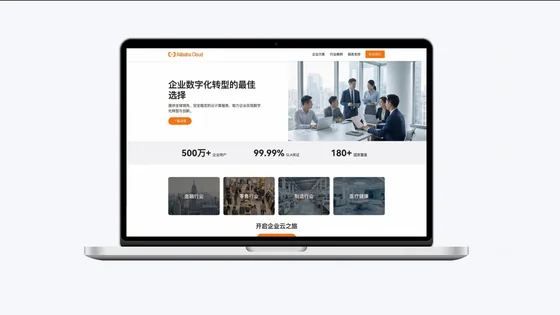
We research user tasks, information architecture, and operational flows across model platforms, intelligent applications, and device interfaces. Design begins at entry and commands, covering process feedback, results display, error states, and subsequent actions, producing pages, components, and interactive prototypes for product and R&D teams to align on.
Main deliverables Website and Product Interface | Interactive Prototypes | Component and State Guidelines
05Spatial & Environmental Design
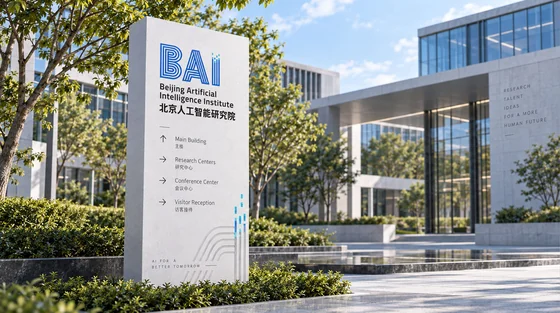
We organize technical content into experiences within exhibition halls, booths, demonstrations, and discussion spaces. We research visitor flow, exhibit relationships, information hierarchy, and wayfinding, connecting device displays, digital content, and live explanations. Spatial solutions share the same narrative and materials with brand, product, and content teams.
Main deliverables Exhibition Items and Spatial Information | Display Flow | Wayfinding and On-site Materials
06Artificial Intelligence and Content Creation
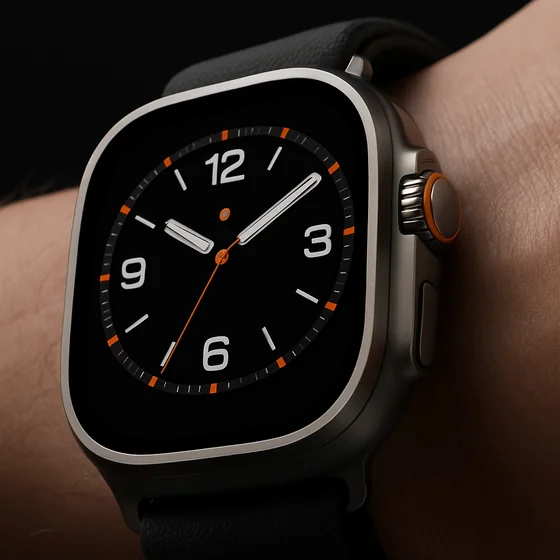
We integrate AI tools into creative research and image and video material production, establishing workflows suited to team use. We explore different expressions around formal technical documentation and brand assets, reviewed by relevant stakeholders for content and purpose. Design deliverables include creation guidelines, material versions, and typical workflows supporting continuous updates.
Main deliverables AIGC Creative Direction | Image and Video | Creation Workflow and Material Guidelines
07Marketing and Social Media Communication
We organize corporate content, scenario demonstrations, and channel materials around product launches, industry engagement, and ongoing communication. Research, identity, product, and digital design outcomes connect to websites, events, and social media, enabling different audiences to understand enterprise capabilities, specific products, and collaboration pathways along a clear journey.
Main deliverables Content Strategy | Launch and Channel Materials | Social Media Workflow
Projects organize professional teams and deliverables around actual tasks. Research, strategy, design, and implementation share materials and phase outcomes, with related disciplines advancing collaboratively at key reviews.
HOW WE WORK How we work
Research, strategy, and implementation move seamlessly forward.
Phase reviews simultaneously address content, design, and application conditions, enabling disciplines to advance toward shared goals.
Clarify Task and Materials
We discuss enterprise stage, product maturity, target audiences, and priority scenarios, organizing existing research, product, and brand materials. Together we define design tasks, content requiring client confirmation, participants, and phase deliverables, ensuring technical and brand communication share the same foundational information.
Research and Build Consensus
Through interviews, materials analysis, and touchpoint mapping, we identify key gaps between technical expression and user understanding. We facilitate discussions with enterprise, R&D, product, and marketing teams to establish consensus on brand role, product relationships, and content priorities, determining the basis for subsequent design decisions.
Strategy and System Design
Building on confirmed positioning, we develop brand narrative, visual direction, and experience structure. We translate strategy into logo, graphics, pages, and exhibition concepts, comparing and discussing them within typical scenarios to demonstrate application conditions and implementation implications.
Prototype and Scenario Validation
We use interface prototypes, product mockups, presentation documents, and exhibition samples to verify that audiences can understand core content and operational pathways. We record feedback and technical constraints, adjusting information, visual, and interaction details to distinguish concept exploration, design finalization, and implementable delivery.
Collaboration and Application Handoff
We align with R&D, production, and content teams on file formats, component rules, material specifications, and update responsibilities. We advance implementation by priority touchpoint, providing design documentation and version records that reduce misalignment across different phases.
Review and Continuous Refinement
We conduct phase reviews based on real-world feedback, content maintenance, and new product needs. We assess brand identity, information completeness, and team collaboration, creating adjustment lists for the next phase. Specific feedback is grounded in project records; ongoing applications follow agreed collaboration terms.
- Research and Strategy Documentation
- Assessment of corporate and product status, target audience analysis, brand architecture, value proposition, and phased implementation recommendations. Documents clarify research scope, materials basis, and items requiring further confirmation.
- Content and Expression Guidelines
- Corporate narrative, product explanation structure, terminology glossary, scenario diagrams, and typical document templates. Content versions are organized by audience—management, procurement, operations, and public communication.
- Identity and Application Assets
- Logo and visual standards, product family expression, website and exhibition application templates, and file structures for collaboration. Source files, output formats, and usage scope are specified in the project brief.
- Experience and Demonstration Prototype
- Information architecture, key task flows, critical interfaces, component states, and demonstration scripts. Discussable prototypes validate content, interaction, and technical alignment conditions.
- Handoff and Continuous Application
- Design application checklist, version records, team training materials, and review topics. Product expansion, content updates, and brand review are integrated into clear workflows.
WORKING TOGETHER / Collaboration
Build a complete system beginning with current tasks.
We tailor collaboration to your organization's stage, product roadmap, and priority touchpoints, clarifying professional roles and continuous application methods.
Establish Brand and Product Foundation
Ideal for teams needing to articulate enterprise positioning, core products, and collaboration models. We organize enterprise and technology materials, clarify target audiences, product relationships, and core narratives, then complete essential identity and priority touchpoints—website, presentation documents, and more. Work unfolds around specific applications, using templates to confirm expression rules and preserve design continuity for new products and future communications. Scope, participants, and deliverables are jointly determined at launch.
Advance Product and Scenario Alignment
Suited for enterprises with established brand foundations needing to connect multiple products, digital interfaces, robots, or smart devices. We research relationships between content, identity, and experience around product families and real user tasks, coordinating product, R&D, brand, and implementation teams. Key prototypes, demonstrations, and application templates establish rules, then extend across different models, scenarios, and communications materials, with implementation sequence and maintenance assigned by product conditions.
Sustain Continuous Application and Engagement
Designed for teams requiring long-term technical content updates, industry participation, or multi-market applications. We establish workflows for formal documentation, creative materials, professional papers, and presentation content, coordinating AI tool use with human review and maintaining shared brand assets and market versions. Ongoing collaboration follows explicit content plans, typical touchpoints, and review topics, periodically assessing materials completeness, real-world application, and team collaboration.
Shared Technical Content Confirmation
We establish content verification processes across enterprise, R&D, product, and brand teams. Technical capabilities, product boundaries, testing conditions, and application cases are reviewed by responsible stakeholders; the design team manages information organization and expression. For content in research or concept phases, we clarify how it appears in demonstrations and communications, maintaining consistency across materials.
Expression for Different Markets
International projects first clarify target markets, languages, audiences, and usage touchpoints, then organize brand assets and technical materials. We adapt professional terminology, product naming, page structure, and image context, aligning with client teams on factual expression. Shared identity rules and market versions maintain corresponding relationships, enabling regional teams to collaborate effectively.
Product Evolution and Asset Management
We integrate brand guidelines, interface components, content templates, and presentation materials into maintainable asset systems. We clarify file naming, version updates, review roles, and archive locations, synchronizing related touchpoints during product upgrades. Through training and typical templates, we enable internal teams to continuously apply design outcomes while documenting areas for further refinement.
PROJECT QUESTIONS / Collaboration Questions
Clarify key questions before the project begins.
Build specific collaboration scope around materials, professional roles, and application conditions.
Where does brand design start for AI enterprises?
We begin by clarifying target users, product stage, and application scenarios, then organize technical value and existing brand assets. Research results define the scope for brand positioning, identity system, and digital touchpoint work.
How do design teams participate in technical communication?
We work with product and technology leads to verify content, using information hierarchy, diagrams, visual design, and interface to help users understand. Specific technical capabilities and product boundaries follow client-confirmed materials.
What's the difference between AI applications and the artificial intelligence industry?
The artificial intelligence industry describes client business; AI applications describe methods in design and communications. Projects may involve both, or focus on one.
How should startups and large enterprises set their priorities?
Startups can begin with company positioning, a clear explanation of their core product and a few key touchpoints. Large enterprises need to consider the corporate group, business platforms, product families and collaboration across teams. We first assess the current situation and priorities, then define a phased scope of work.
How do you connect industrial design and brand design for robotics projects?
We use the product’s purpose and user experience as a shared foundation, coordinating form, materials and colors, status indicators, packaging and interface language. Product engineering, R&D and manufacturing teams help define what is feasible, while the brand identity is tested across equipment, demonstrations and service settings.
What materials should we provide before working together?
Start with a company overview, key products and applications, existing brand guidelines and assets, target audiences, planned touchpoints and a timeline. Unreleased technical information can be shared in stages once we agree on what is needed. At project kickoff, we establish who owns each area of content and when approvals are required.
CONTINUE EXPLORING
Integrated Capabilities
Explore how strategy, AI, visual and product design work together with digital, spatial and service design.
Explore Our CapabilitiesResearch & Insights
Explore perspectives on brand strategy, AI marketing and brand design.
Explore InsightsIn China and Beyond
Explore how design connects target markets, languages, brand assets and real-world touchpoints.
Explore Our International WorkLet’s start with your industry
and the challenge at hand.
Bring an overview of your company or organization, product and service information, existing brand assets and priority touchpoints. Together, we will clarify the challenge, identify the expertise needed and define deliverables for each phase.