


















HEALTHCARE Healthcare & Wellness
Connecting expert information, digital services
and on-site experiences.
For healthcare institutions, medical technology companies and health service platforms, we build on organizational and user research to align brand identity, product packaging, digital interfaces, wayfinding and communications—making expertise clear and services easier to navigate.
Brand Identity Packaging Digital Services Environmental Wayfinding
PERSPECTIVE / Industry and design
Expert information and service experiences
need to be designed together.
Healthcare and wellness projects serve institutions, professionals, patients, families and partners, each with different information needs. Institutional identity, professional materials, product interfaces, websites and campus wayfinding also need a clear relationship. At Qingmei Future, we organize research and design around real-world tasks, bringing specialist content into touchpoints that are easy to read, navigate and use.
Our integrated approach brings together institutional positioning and brand architecture, visual communication, product and interaction design, spatial information and content. Relevant client teams provide and approve specialist materials; our design team structures the information and experience. We test proposals through prototypes, documentation and on-site mock-ups, maintaining a coherent expression of the institution, its products and its services across media.
What design helps different audiences understand an institution, find information and access its services?
Within One Project,
Disciplines Working Together
Consider the development of a healthcare institution’s service touchpoints. Researchers map audiences and service journeys; brand and visual designers define how the institution, campuses and departments are represented; digital designers structure the website and service access points; spatial designers develop naming, routes and signage; and content designers translate specialist materials into text and diagrams suited to different readers. Each discipline works from and checks the same information, aligning digital, printed and physical touchpoints.
- 01 research and strategyInstitutional Positioning, Audiences & User Tasks
- 02 · Identity & InformationCommunication Hierarchy for Institutions, Departments & Products
- 03 · Digital & SpatialService Access, Information Journeys & On-site Wayfinding
- 04 · Collaboration and maintenanceContent Approval, Application Guidelines & Version Updates

INDUSTRY PRIORITIES / Industry topics
Bringing disciplines together around specific healthcare and wellness challenges.
Translating the needs of institutions, products and service users into focused research questions, design briefs and application scenarios.
Healthcare Institutions & Campuses
We develop visual identities, department directories, digital portals and wayfinding around institutional positioning, audiences and campus information. We clarify the relationships between information at key points—from main entrances and reception desks to waiting and examination areas—and test legibility through route studies and signage mock-ups, supporting consistent application across campuses and service areas.
Explore Institutional Brand StrategyMedical Equipment & Devices
We connect equipment brands, product families, operating interfaces and professional materials through coordinated visual and information systems. Model names, functional descriptions, status information and help content are organized around actual users, then tested across physical prototypes, screens and documentation. Product specifications and professional operating requirements are confirmed by the client team.
Explore Product & Industrial DesignDigital Health Services
We structure platform information and interfaces around tasks such as consultations, searches, appointments, reading materials and contacting services. By studying entry points, workflows and feedback for different users, we distinguish specialist content from service interactions and develop prototypes and component guidelines that support collaboration between product, content and development teams.
Learn about digital service designLife Sciences & Research Communications
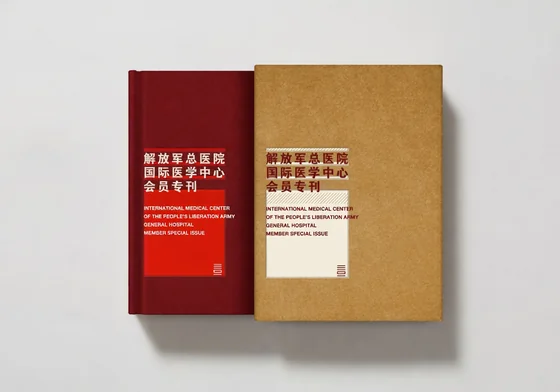
For research institutions, laboratory platforms and related businesses, we organize research themes, product information and communications around the need to present achievements and build partnerships. Institutional identity, professional publications, digital pages and exhibition design create layered communications for readers with different professional backgrounds, with clear content sources and approval processes.
Explore Professional Publication DesignHealth Products & Packaging
Working from approved product information, packaging specifications and usage contexts, we organize brand hierarchies, product names, explanatory content and visual expression. We test recognition and readability at actual size, across product ranges and sales channels, connecting outer and inner packaging, accompanying materials and digital content in a consistent product identity.
Explore Health Product PackagingPublic Services & Health Communications
For institutional service information, health education, events and public-space information, we study audiences, reading distances and media conditions. Layered text, diagrams, imagery and guides support communication, with specialist content checked by the responsible teams. Design focuses on clear expression and service journeys that work.
Explore Communications & Content Design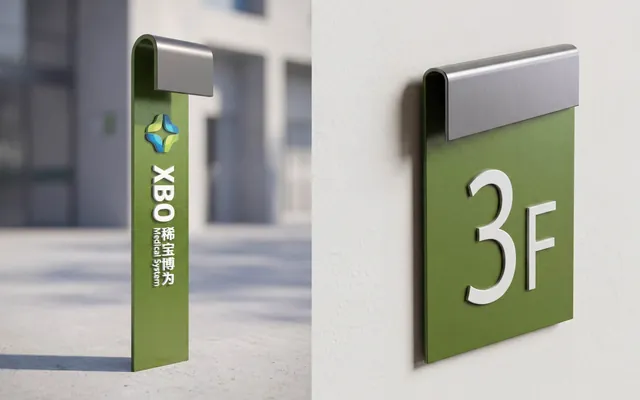
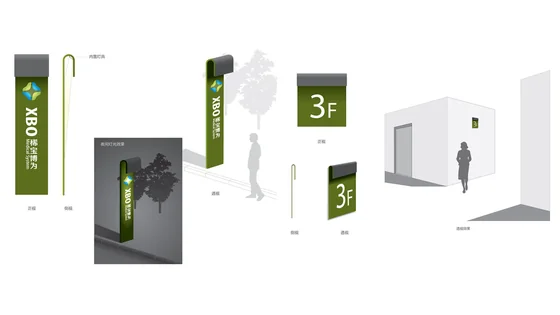
XBO · Spatial Wayfinding Design
Explore how spatial naming, routes and signage structure wayfinding information for a medical technology company.
Explore Related Work
Tong Ren Tang · Visual Identity Project
Explore visual expression and related applications in the available project materials.
Explore Related WorkPROJECT PRACTICE
See how different design disciplines work in practice.
Explore projects spanning biopharmaceutical corporate culture and brand brochures, medical technology identities, digital services and spatial information.
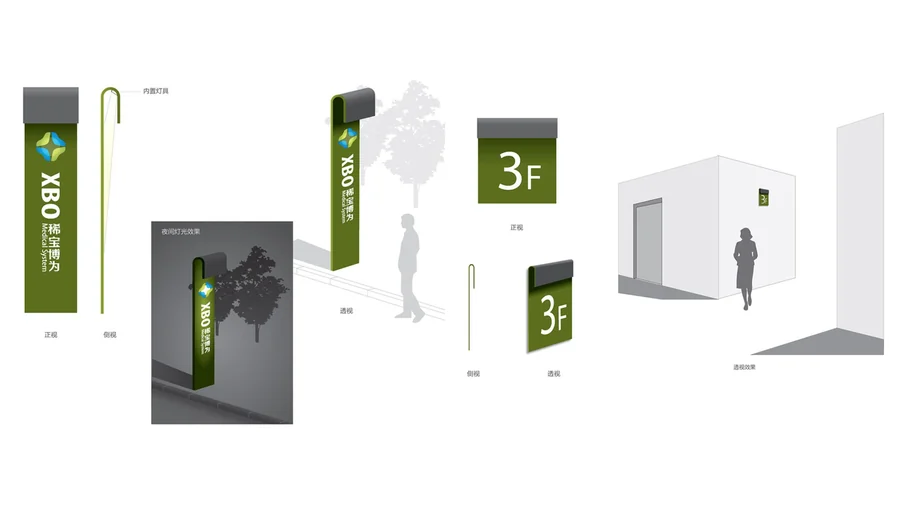
XBO / Brand & Spatial Information
From institutional identity
to spatial information
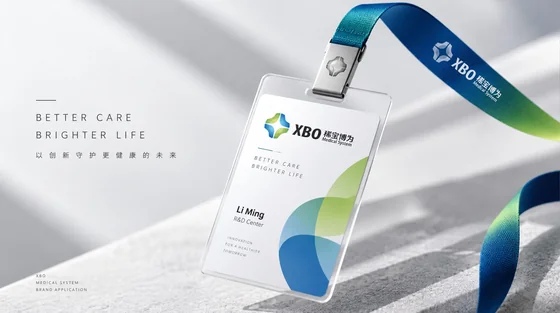
Brand identity and wayfinding materials show how logos, color, naming and on-site information are applied. Together, these two project presentations reveal how an institution’s visual language extends across touchpoints.

Wantai BioPharm
Corporate Culture & Enduring Values
Explore corporate culture project materials to see how cultural principles inform brand expression.
View project material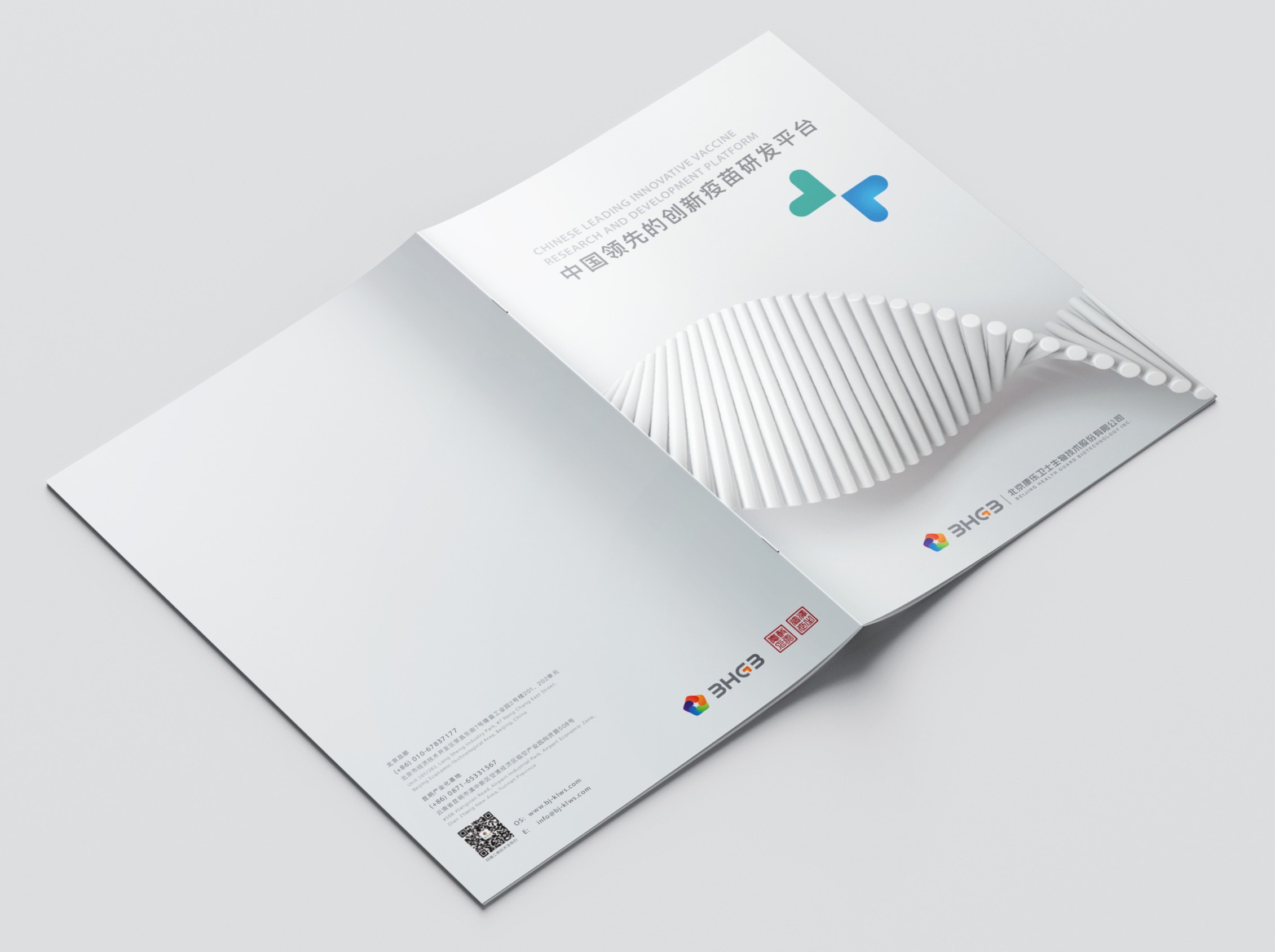
Health Guard Biotechnology
Brand Brochures & Professional Information
Explore how brochure covers and interior pages establish a biopharmaceutical brand’s visual expression and information hierarchy.
View project material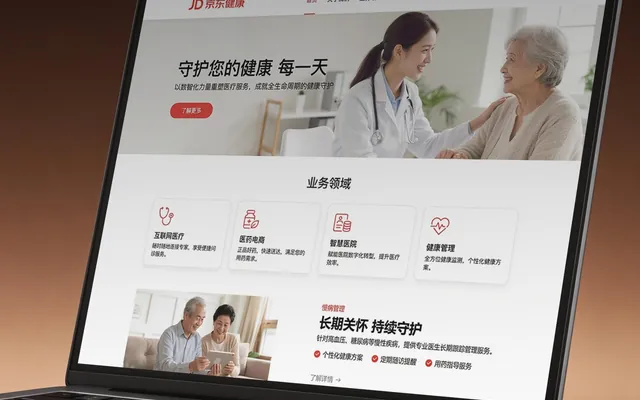
JD Health
Websites & Cross-Platform Visual Design
View design materials covering platform interfaces, content hierarchies and cross-device visual systems.
View project material
XBO
Medical Technology Brand Identity
Explore a medical technology company’s visual expression through its brand mark and professional materials.
View project materialTongrentang
Brand Visual Projects
Explore visual expression and related applications in the available project materials.
View project material
WeDoctor
Digital Service Projects
Explore service content, digital information and design materials from existing projects.
View project materialImages sourced from existing project materials on this site, representing the corresponding design categories. For detailed content and project scope, visit the project page.
CROSS-DISCIPLINARY CAPABILITIES
Six capabilities connecting institutions, products and services.
Shared research and information bring brand, product, digital, spatial and communications disciplines together to create connected design outcomes.
01Strategy and Institutional Research
We study an institution’s or company’s positioning, organizational relationships, audiences and real-world tasks to define communication hierarchies for campuses, departments, products and platforms. Interviews with key stakeholders, reviews of existing materials and touchpoint mapping inform the brand proposition, content priorities and phased recommendations, establishing a foundation for identity and experience design.
Main deliverables
02Visual Identity

We establish rules for logos, typography, color, imagery and layout around institutional and product identities. The visual system extends to professional materials, packaging, staff applications and service touchpoints. Mock-ups across sizes and media test readability and recognition, balancing a professional image with everyday use.
Main deliverables
03Product & Packaging Design

For medical technology products, health devices and product packaging, we begin with usage contexts and information requirements to align product form, materials and colors, labeling and accompanying materials. Concepts, prototypes and full-size mock-ups support discussion, while specialist, R&D and manufacturing teams verify content and implementation requirements.
Main deliverables
04Digital and Interaction Design
We design website and service interface information, visuals and interactions around tasks such as searches, appointments, reading materials and contacting services. We organize entry points, actions, feedback and help content for different users, test reading journeys through prototypes, and work with specialist, product and development teams to confirm content and implementation requirements.
Main deliverables
05Spatial and Service Experiences

We establish spatial naming, zones, routes and signage hierarchies around campuses, departments, service areas and key user groups. Plans, sign-location layouts and full-size mock-ups help test proposals, aligning physical signage, maps and digital guides so that institutional identity and service information support users throughout their journeys.
Main deliverables
06AI and Content Communication
Working from approved institutional and product materials, we use AI tools to support the creation of diagrams, creative concepts, imagery and asset variations. We organize content for professional communications, service introductions and brand events across websites, social media and on-site materials. Content templates, specialist review and brand approval support ongoing updates.
Main deliverables
Projects organize professional teams and deliverables around actual tasks. Research, strategy, design, and implementation share materials and phase outcomes, with related disciplines advancing collaboratively at key reviews.
INSIGHTS
Exploring design through the relationships between content, space and service.
Read more in our design methodology articles on information review, spatial cues and the connection between digital and on-site experiences.

Check the Facts, Then Refine the Tone
Explore how source review, fact-checking and editorial refinement fit together, and establish practical criteria for reviewing content updates.
Read the article
Spatial Cues Come Before Signs
Explore how layout, spatial cues and signage help people find their bearings and confirm their route.
Read the article
Use the same promise from online to on-site
Discuss how online content and on-site services connect, enabling different touchpoints to use shared information and expression foundations.
Read the articlePROJECT METHOD
Stage deliverables connect research, design, and implementation.
Six work stages use shared materials, with joint reviews of content, design, and application conditions clarifying professional divisions and delivery requirements.
Define the Brief and Gather Specialist Materials
Understand the organization’s positioning, project audiences, service scope and priority touchpoints, and review existing brand, product and spatial materials. Identify the owners of specialist content, define the design brief and involve the relevant teams. Agree on how materials will be supplied, content approved and progress reviewed.
Research Users and Service Journeys
Map how patients, families, healthcare professionals and specialist buyers find information and engage with services. Use available materials and research methods appropriate to the project to document issues. Identify critical moments in reading, searching, navigation and brand use, and translate them into a clear set of design tasks.
Set the Strategy and Information Hierarchy
Define communication principles, naming conventions and content structures for the organization and its products. Use digital pages, specialist materials or wayfinding samples to demonstrate the design direction, giving management, specialist and implementation teams a shared basis for discussing specific applications and developing the wider system.
Design and Validate Through Prototypes
Develop identity, interface, packaging or spatial information designs. Use prototypes and samples at actual specifications to check readability, content completeness and user journeys. Client specialists approve content, technical and implementation teams verify practical requirements, and the design team documents and incorporates agreed revisions.
Coordinate Implementation and Handover
Plan production, deployment and content updates around priority touchpoints. Check file formats, material specifications, component rules and versions of specialist materials. Connect internal teams and implementation partners through design guidance and handover checklists, and review consistency across key touchpoints within the agreed scope.
Maintain and Review
Review how existing design rules respond to changes in service information, departments, equipment or product ranges. Gather feedback from use, identify adjustments and clarify responsibilities for content, design and implementation, giving ongoing updates a clear foundation in documentation and collaboration.
Deliverables Defined by Project Scope
- Research and Organizational Strategy
- Review the organization and its services, key user tasks, touchpoint issues and brand relationships. Develop recommendations for the next stage, giving management, specialist and design teams a shared basis for discussion.
- Identity and Content Guidelines
- Visual guidelines for organizations or products, terminology and naming principles, document templates and representative applications. Define content approval processes to keep specialist information aligned with design files.
- Digital Experience Documentation
- Information architecture, user flows, key pages, interface components and state descriptions. Use prototypes to review reading and usage scenarios, with design and development deliverables agreed separately.
- Wayfinding and Product Samples
- Develop spatial information hierarchies, sign location plans, signage designs, packaging layouts or specialist document samples to suit the brief. Review practical requirements with site, production and maintenance teams.
- Application and Maintenance Documentation
- Asset inventories, file specifications, version histories, review responsibilities and handover guidance. Establish a process for ongoing maintenance as campuses, services or products evolve.
WORKING TOGETHER / OUR APPROACH
Build a complete system beginning with current tasks.
We define the starting point around the organization’s stage of development, business plans and priority touchpoints, then agree on specialist responsibilities, phased deliverables and how the work will be used over time.
Organizational Identity and Brand Systems
For Organizational Renewal, New Campuses and Healthcare Technology Brands
Clarify organizational positioning, audiences and brand relationships, then establish rules for identity, specialist materials and touchpoints. Review the approach through representative applications and phase delivery around development and business priorities.
- Organizational Positioning and Brand Relationships
- Identity and Specialist Information Guidelines
- Key Touchpoints and Implementation Recommendations
Service and Information Experience
For Websites, Service Interfaces, Spatial Wayfinding and Specialist Materials
Study information hierarchies and user journeys around practical tasks such as finding information, making inquiries, reaching a destination and contacting services. Coordinate specialist, technical and production teams through interface prototypes, full-size samples and on-site mockups.
- Information Architecture and User Flows
- Digital Interfaces and Spatial Wayfinding
- Prototypes, Samples and Handover Documentation
Ongoing Application Across Campuses and Products
For Multiple Campuses, Product Portfolios and Ongoing Content Updates
Organize shared identity assets, naming conventions and content templates, distinguishing common rules from information specific to each setting. Develop examples for new departments, products or digital features, and define approval and maintenance responsibilities.
- Shared Assets and Naming Conventions
- Application Examples and Content Modules
- Version Management and Team Handover

Specialist Content and Design Approval
The client’s designated specialists approve organizational credentials, product information, technical explanations and service content. The design team is responsible for content organization, visual communication and user experience. Link source materials, review comments and design versions, and keep a record of content requiring updates. Base communications on verified facts, with information structured for each audience and medium.
Different Audiences and Conditions of Use
Consider differences in age, reading ability, language background and context throughout research and design. Review type size, contrast, graphics, route information and interaction feedback under realistic conditions, assessing designs at a range of relevant sizes. Where field research or user validation is needed, agree in advance on the approach, participants and intended use of findings.
Consistency and Maintenance Across Campuses
Bring organizational identity, department naming, service content and wayfinding information into a shared maintenance framework. Define which rules apply across campuses or product ranges and where variation is needed. Review new spaces, digital features and market editions through representative examples before extending the guidelines. Support internal teams with handover and training for ongoing updates.
PROJECT QUESTIONS / Collaboration Questions
Clarify key questions before the project begins.
Build specific collaboration scope around materials, professional roles, and application conditions.
How Do Healthcare Technology Projects Differ from Healthcare Institution Projects?
Healthcare technology projects may focus on products, equipment and specialist materials. Projects for healthcare institutions may cover identity, department information, digital services and campus wayfinding. The scope is defined by the specific brief.
Who Approves Specialist Content?
The client’s designated specialists verify product information, organizational credentials and specialist terminology. Design organizes the approved content, while professional judgments remain with the relevant experts.
What Information Is Needed to Start a Healthcare Wayfinding Project?
We begin by understanding the spatial layout, circulation routes, service points and users’ information needs. This informs the information hierarchy, sign locations and application guidelines.
Can the Website, Wayfinding and Organizational Identity Be Planned Together?
Yes. Organizational positioning and service journeys can provide a shared foundation. We first map the content and responsibilities at each touchpoint, then phase design work by priority. Campus plans, service functions, department names and digital content require input and approval from the relevant teams. Implementation is planned around actual development conditions.
How Do You Adapt Content for Specialists and General Audiences?
We establish a shared factual foundation, then create different levels of explanation, graphics and navigation around each audience’s tasks. Specialist materials retain the necessary detail, while public-facing pages prioritize services and clear reading paths. Each version has a defined use and is checked by the client’s specialists.
What Should We Prepare Before the Project Begins?
Start with an introduction to the organization or business, existing identity files, key service and product information, target audiences, priority touchpoints and timing. Wayfinding projects also need relevant plans and route information; digital projects need existing site structures and system requirements. We agree on the detailed list at kickoff.
CONTINUE EXPLORING
Integrated Capabilities
Explore how strategy, AI, visual and product design work together with digital, spatial and service design.
Explore Our CapabilitiesResearch & Insights
Explore perspectives on brand strategy, AI marketing and brand design.
Explore InsightsIn China and Beyond
Explore how design connects target markets, languages, brand assets and real-world touchpoints.
Explore Our International WorkStart with Your Organization and Its Service Needs,
Around Financial Businesses and Services.
Share an introduction to your organization or business, existing identity files, key service and product information, core audiences and priority touchpoints. Together, we will define the brief, identify the expertise needed, and agree on deliverables and implementation for each stage.
Contact Our Project TeamDiscover Qingmei Future